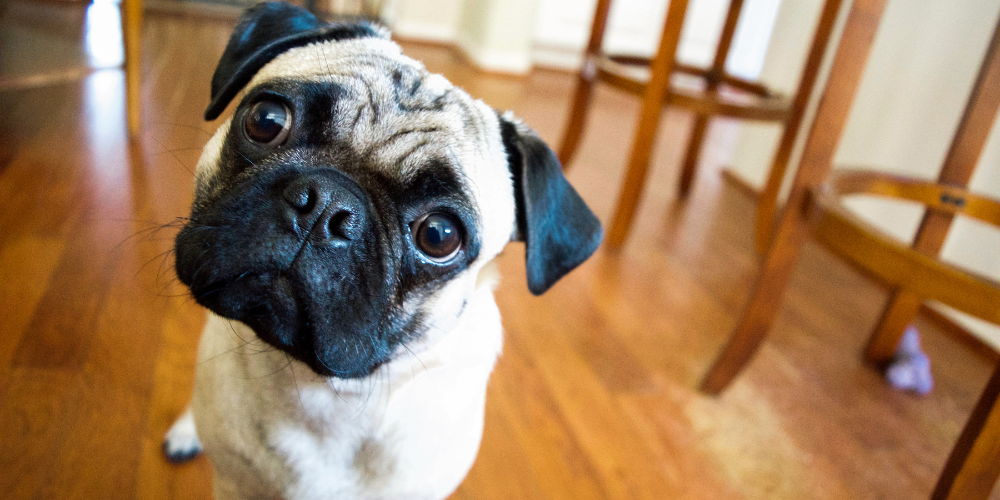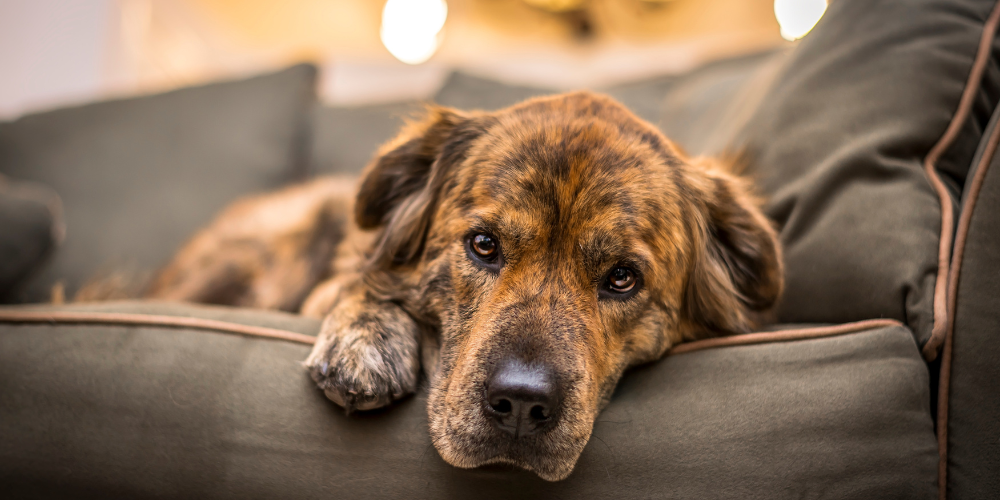


Dogs are known to be deeply emotional creatures. From the ecstatic tail-wagging when you come home to the sad eyes they give you when you're leaving, dogs can express a wide range of emotions—joy, fear, sadness, excitement, and more. Just like humans, dogs have tear ducts, which naturally raises the question: do dogs cry tears when they’re sad?
While dogs express their emotions in many ways, shedding tears due to emotional feelings isn't one of them. Let's dive into why dogs have tear ducts, what those watery eyes might mean, and how they express their feelings in other ways.
Do Dogs Cry Emotional Tears?
Though dogs undoubtedly feel emotions, they do not cry emotional tears like humans. The notion that dogs shed tears when they're upset or happy is a misconception. While humans are unique in their ability to cry as a direct emotional response, dogs use other methods to communicate their feelings.
Instead of tears, dogs use their voices and body language to show their emotions. A dog's cry can manifest as whining, howling, or whimpering, which is a form of vocal communication. You might also see a dog giving you "sad puppy eyes," which can easily be mistaken for crying. But if you notice your dog’s eyes watering or producing actual tears, it’s likely due to a physical issue rather than an emotional one.
Why Are My Dog’s Eyes Tearing?
If your dog’s eyes are watering or producing fluid, it’s important to understand that this doesn’t stem from sadness or other emotions. Dogs' tear ducts are designed to help keep their eyes clean and lubricated. However, tears that you notice can often be a sign of irritation or an underlying health issue. Unlike in humans, where emotional tears fall down the face, dogs' tears drain through their noses and throats. If you see watery eyes or tear stains, there are several potential causes.
Here are a few reasons why your dog's eyes may be watering:
1. Allergies
Just like people, dogs can experience allergies to environmental factors such as pollen, dust, dander, or smoke. Some dogs may also have food sensitivities. If your dog is exposed to an allergen, their eyes may water as a natural response to the irritation. This is typically accompanied by other signs like itching, sneezing, or inflamed skin.
2. Blocked Tear Ducts
If a dog’s tear ducts become blocked, it prevents tears from draining properly, causing their eyes to appear watery or damp. Blocked tear ducts can lead to discomfort and irritation, so it’s essential to monitor your dog for signs of excessive tearing.
3. Eye Infections
Infections can also cause watery eyes in dogs. If the fluid is thick, yellowish, or bloody, it may be a sign of infection. Other symptoms could include redness, swelling, or your dog pawing at their eyes. Eye infections can develop from bacteria, viruses, or other irritants, so a visit to the vet is recommended if you notice any of these symptoms.
4. Foreign Objects
Sometimes, a small speck of dirt or debris can get trapped in a dog’s eye, causing temporary tearing. This should clear up on its own once the foreign object is flushed out. However, if the tearing persists, your dog may need a vet to check for any remaining irritants.
5. Scratched Cornea
Active dogs that run through bushes or rough play can sometimes scratch their corneas. This type of injury can lead to tearing, blinking, and visible discomfort. A scratched cornea often needs prompt veterinary attention to prevent further complications.
How Dogs Express Emotions
While dogs don’t cry tears out of sadness, they have a variety of other ways to express their feelings. Vocalisations like whining, howling, or whimpering are common methods dogs use to communicate their needs and emotions. Dogs also rely heavily on body language. A tucked tail, drooping ears, or a lowered head might signal distress or sadness, while a wagging tail and excited jumps convey joy and enthusiasm.
Puppies, in particular, learn early on that whining can grab attention. This behaviour often carries into adulthood. Many adult dogs will “cry” when they’re hungry, thirsty, or want to go outside. They’ve learned that these sounds are an effective way to communicate with their human companions.
When Should You Be Concerned?
If your dog’s eyes are producing excessive tears or showing signs of irritation, it’s important to pay attention. Excessive tearing could be a symptom of allergies, infections, or injuries, all of which require professional attention. A veterinarian can provide the right diagnosis and recommend treatment to ensure your dog’s eyes stay healthy.
In short, while your dog might not shed tears over a broken heart, they have other ways of letting you know how they feel. If you ever notice something unusual with their eyes, though, don’t hesitate to consult your vet.
Final Thoughts
So, do dogs cry? Not in the way humans do. Dogs express their emotions vocally and through body language rather than through tears. If your dog’s eyes are watering, it’s more likely due to a physical cause like allergies, an infection, or a foreign object. When in doubt, reach out to your vet for guidance to ensure your furry friend’s eyes stay clear and healthy.
While we may not share the same tear-filled emotional moments, the bond between dogs and their humans is built on countless other forms of communication and love.