
If your dog smells like a damp towel that’s been forgotten in the laundry, you’re not imagining it. That classic wet dog smell is something every pet parent deals with sooner or later. It’s strong, it’s stubborn, and it somehow spreads from your dog to the couch, the car, and anything they brush past.
The good news is you don’t need to deep clean your entire house every time your dog gets wet. With the right routine, a few smart habits, and proper dog grooming products, you can keep your pup smelling clean and your home much more pleasant. Here’s how to tackle wet dog smell properly, and stop it from coming back.
Why Dogs Smell After Getting Wet
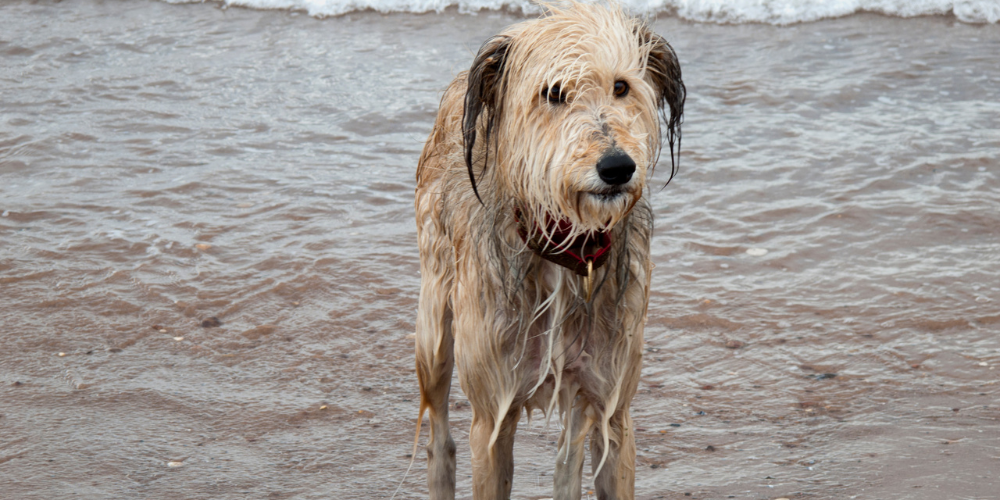
When your dog’s coat gets wet, the natural oils on their skin mix with bacteria and yeast that live there naturally. These microbes release smelly compounds that are usually trapped when the fur is dry. Add water, and those smells are suddenly released into the air.
Throw in a bit of dirt, saliva, or whatever your dog last rolled in, and the smell gets even stronger. It’s normal, but that doesn’t mean you have to live with it.
Step 1: Dry Your Dog Properly
The faster your dog dries, the less time odour has to develop.
Start with a towel and give them a proper rub down to remove as much moisture as possible. If your dog tolerates it, follow up with a dryer on a low, cool setting. Heat can irritate the skin and make smell worse.
Pay extra attention to areas that stay damp the longest, like behind the ears, under the collar, between the toes, and around the chest. These spots are common culprits for lingering odour. A few treats can help turn drying time into a positive experience.
Step 2: Use the Right Dog Shampoo
Using human shampoo on your dog can upset their skin and make smells worse over time. Always choose a shampoo made specifically for dogs.
Look for formulas that are pH balanced and designed for sensitive skin or odour control. Ingredients like oatmeal, aloe vera, and coconut oil help cleanse without stripping natural oils. Avoid heavy perfumes, as they only mask the smell instead of fixing the cause.
Bathing every four to six weeks is usually enough for most dogs, unless your vet recommends otherwise.
Step 3: Wash Their Bedding Regularly
If your dog’s bed smells, your clean dog will too. Odours transfer straight back onto their coat.
Wash bedding weekly using a pet safe detergent and vacuum the area around it often. If the cover is removable, hanging it out in the sun can help naturally freshen it. Clean bedding alone can make a noticeable difference to how your dog smells overall.
Step 4: Brush Often, Even Short Coats
Brushing removes dirt, loose hair, and debris that trap odours. It also helps spread natural oils evenly through the coat, reducing greasy build up.
Aim to brush your dog a few times a week using the right brush for their coat type. A light spritz of a dog safe deodorising spray can help between baths if needed.
Step 5: Don’t Forget Ears, Paws, and Mouth
Sometimes the smell isn’t just coming from the coat.
Moist ears can develop yeasty smells, so clean them weekly with a vet approved ear cleaner. Wipe paws after walks to remove trapped dirt and sweat. Keep on top of dental care too, as bad breath can add to overall odour.
Step 6: Stick to a Simple Grooming Routine
Regular grooming is the best defence against wet dog smell. Drying properly, brushing often, cleaning bedding, and using the right products all work together.
If the smell lingers despite good hygiene, a vet check is worth considering, as skin infections or allergies can sometimes be the cause.
Wet dog smell might be part of life with pets, but it doesn’t have to stick around. With a little consistency and the right approach, your dog can stay clean, fresh, and welcome back on the couch.