

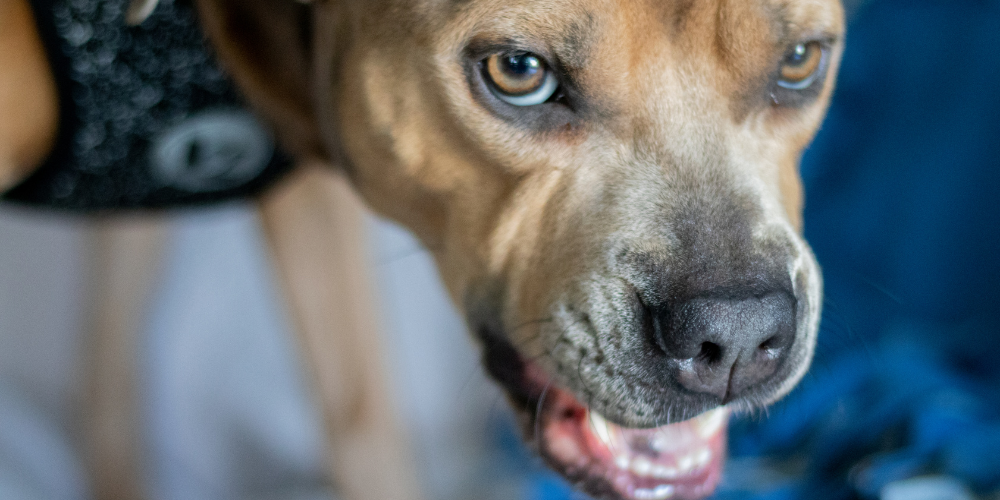
Today, we're diving into a topic that's both intriguing and complex: rage syndrome in dogs. This condition is a bit of a mystery, taking us into the less understood aspects of canine behaviour where not all expressions are joyful wags or affectionate gazes.
Rage syndrome manifests in dogs as sudden, intense outbursts of aggression, coming without warning, akin to a storm suddenly breaking on a clear day. This isn't the usual protectiveness over a cherished toy or signs of anxiety; rage syndrome occurs without an identifiable cause. Notably common in the charming English Springer Spaniels, it has been dubbed "Springer Rage." But fear not, we're here to shed light on this shadowy subject!
Symptoms to Watch For:
Symptoms can vary dramatically, from unexpected depressive episodes to extreme, uncontrollable aggression. Dogs might growl, snap, or lunge at nothing in particular, displaying biting, snapping, teeth baring, and lip curling. Imagine them experiencing severe mood swings, only it's not related to hormones, and it's affecting your dog.
Exploring the Causes:
What could make a calm dog suddenly turn aggressive? Although the exact cause remains unknown, it's believed that genetic factors, a predisposition towards dominance aggression, or partial complex seizures might contribute. These seizures, stemming from genetics, trauma, brain tumours, or strokes, can lead to aggressive and erratic behaviours.
Breeds like English Springer Spaniels, Cocker Spaniels, Bull Terriers, and some Retrievers are seemingly more susceptible to rage syndrome. However, it's crucial to remember that rage syndrome can occur in any dog, regardless of breed.
Diagnosing the Condition:
Identifying rage syndrome is challenging, akin to locating a needle in a haystack. It involves detailed observation of the dog's behaviour before, during, and after aggressive incidents. Rage syndrome is characterised by a lack of obvious triggers and can be accompanied by depressive or behavioural changes. Veterinary professionals may conduct physical or neurological examinations and run tests to eliminate medical causes.
Managing Rage Syndrome:
The reality is stark; there's no cure for rage syndrome, only management strategies. It's essential for the whole family to understand the condition and recognize early signs of impending aggression. Changes in handling methods and possibly the prescription of anticonvulsants may be necessary to control episodes.
In severe cases, where aggression becomes unmanageable, euthanasia might be considered, prioritising the safety and wellbeing of both the dog and its human family.
Addressing rage syndrome is undoubtedly tough, yet it's a crucial conversation for supporting affected dogs and their owners. Understanding, compassion, and love are key to navigating this condition. Should you have any concerns about your dog's behaviour, consulting with a veterinarian is always advised. Together, we can face these challenges, supporting one another every step of the way.