

Living in Australia comes with plenty of benefits for dogs. Wide backyards, beach walks, bush tracks and warm weather year round. But our outdoor environment also brings risks that pet owners need to be aware of.
From cane toads and snakes to spiders and ticks, Australian wildlife can pose serious health threats to curious dogs. Knowing what to look for and how to respond quickly is one of the most important parts of responsible pet care in Australia.
Cane Toads and Toxic Toads
Cane toads are most common in Queensland and northern New South Wales, but other toxic toads can also be found in parts of Australia.
If a dog licks or mouths a toad, toxin is released from glands behind the toad’s shoulders. Symptoms can appear within minutes and may include:
- Excessive drooling or foaming
- Bright red gums
- Pawing at the mouth
- Vomiting
- Wobbling or unsteady walking
- Seizures in severe cases
If you suspect your dog has licked a toad, gently wipe their gums and tongue with a damp cloth for 10–15 minutes, rinsing the cloth regularly to help remove the toxic residue. Avoid spraying water directly into their mouth, as forcing water in can increase the risk of inhalation. Contact your vet immediately.
Snakes in Backyards and Bushland
Snakes are active during warmer months across much of Australia. Even suburban areas can attract them, especially if there are long grasses, water sources or rodents nearby.
Signs of a snake bite may include:
- Sudden weakness or collapse
- Shaking or muscle tremors
- Dilated pupils
- Vomiting
- Difficulty breathing
Snake bites are always a medical emergency. Keep your dog as still as possible and seek urgent veterinary care straight away.
Spiders and Insect Bites
Australia is home to several venomous spiders, including redbacks and funnel webs. While bites are less common in dogs than in humans, they can still occur, especially if your dog explores sheds, wood piles or garden corners.
Watch for:
- Sudden pain or yelping
- Swelling at the bite site
- Lethargy
- Vomiting
- Muscle stiffness
Seek veterinary advice if you suspect a spider bite, particularly if symptoms worsen quickly.
Ticks and Paralysis Ticks
Paralysis ticks are a serious concern in coastal regions of Australia. They attach to your dog’s skin and release a toxin that can lead to paralysis if not treated promptly.
Early signs may include:
- Weakness in the back legs
- A change in bark
- Coughing or gagging
- Wobbliness
Daily tick checks during peak seasons and reliable flea and tick prevention are essential parts of dog health in Australia.
How To Reduce The Risk At Home
While you cannot remove every risk, small steps can significantly reduce the chances of dangerous encounters.
- Keep lawns trimmed and gardens tidy
- Remove wood piles and debris where spiders and snakes may hide
- Bring water bowls indoors overnight
- Supervise dogs outside at dusk
- Perform regular tick checks
Staying consistent with flea and tick prevention, maintaining strong overall health with appropriate dog supplements in Australia and sourcing trusted online pet supplies in Australia all contribute to preparedness.
When To Call The Vet
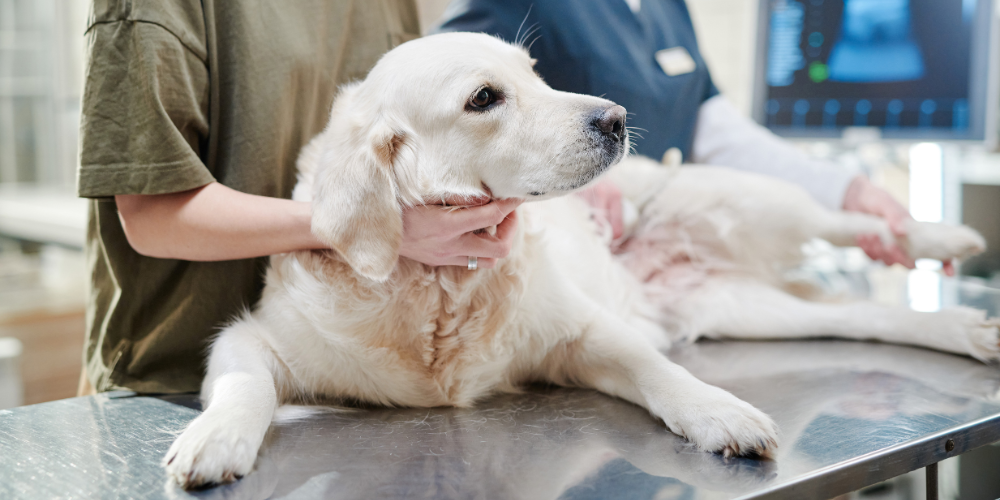
If your dog shows sudden drooling, weakness, wobbling, vomiting, breathing changes or unusual behaviour after being outside, contact your vet immediately.
Many Australian wildlife encounters escalate quickly. Acting fast gives your dog the best chance of recovery.
Being Prepared As An Australian Pet Owner
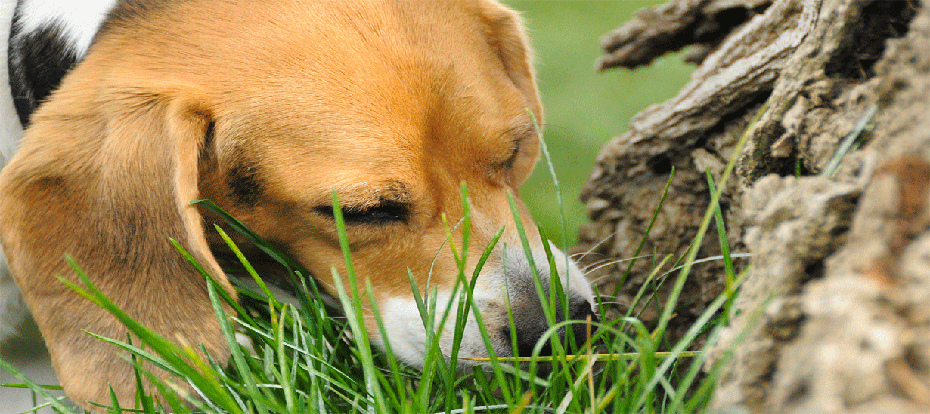
Dogs are naturally curious. They explore with their noses and mouths. While we cannot prevent every interaction, we can stay informed and ready.
Understanding local risks, knowing the signs of poisoning or bites and keeping emergency contact numbers saved in your phone are simple but powerful pet care tips.
Australian conditions are unique. Being proactive about dog health in Australia helps protect your pet all year round.
Summary
Australia’s outdoor environment includes risks such as toxic toads, snakes, spiders and paralysis ticks. Knowing the warning signs and acting quickly can make a critical difference. Prevention, supervision and reliable health protection are key parts of responsible pet care in Australia.