
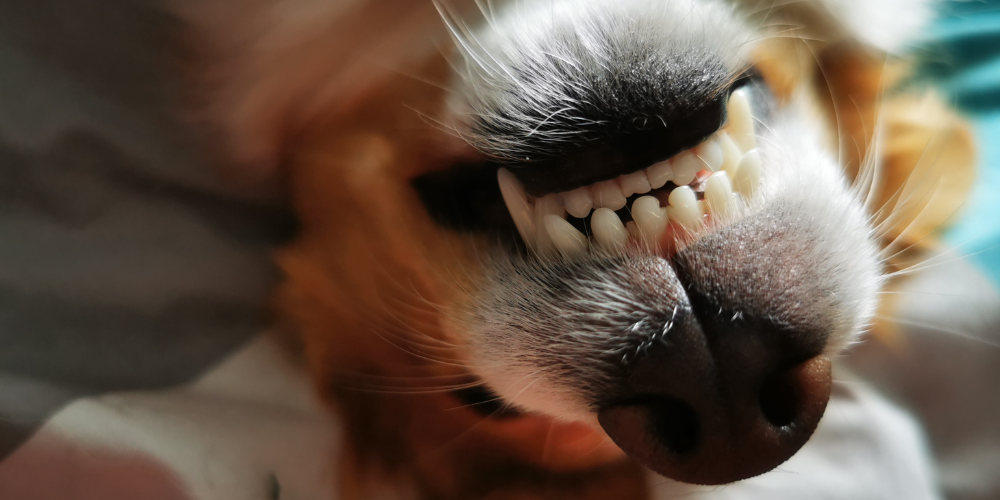
Let’s face it dog breath can be a bit... ruff. But beyond the occasional stinky smooch, your pup’s dental health plays a huge role in their overall wellbeing. Whether you’ve been brushing their teeth for years or you’re just realising that’s a thing, we’ve rounded up the most common questions pet parents ask about dog dental care and answered them, straight up.
Are bones really safe for dogs?
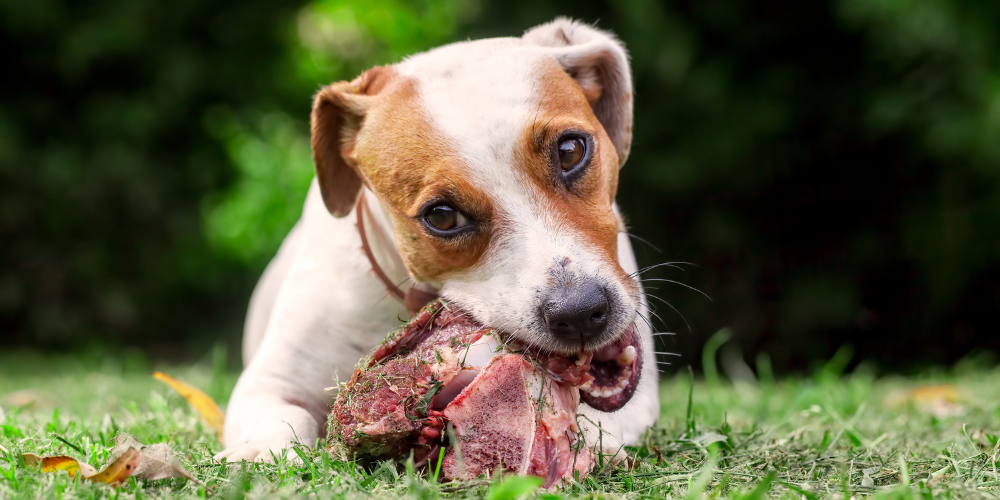
It depends. While raw bones (like raw meaty bones from the butcher) can help scrape off plaque, cooked bones are a no-go. They can splinter and cause serious internal damage. Even raw bones come with risks like cracked teeth and digestive upset, so they’re best given under supervision and in moderation. If you're unsure, there are plenty of vet-approved dental chews that offer safer alternatives.
Why does my dog have bad breath?
Occasional bad breath after a cheeky snack? Normal. But persistent doggy breath is usually a red flag for plaque buildup, gum disease, or even underlying health issues. If your pup’s kisses have gone from sweet to stink, it might be time for a dental check-up or a change in their oral care routine.
Do I really need to brush my dog’s teeth?
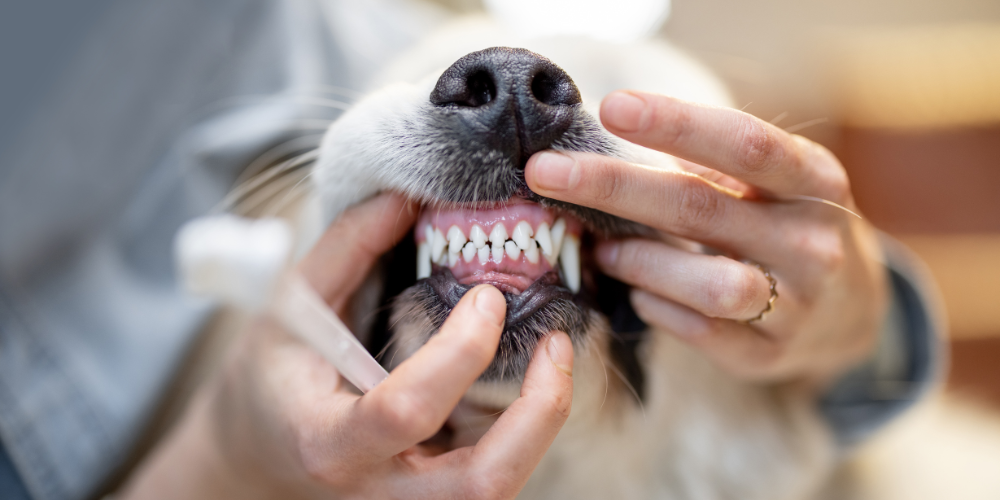
Yes! Just like humans, dogs benefit hugely from regular brushing. It helps prevent plaque, tartar, and gum disease all of which can lead to pain and tooth loss. Aim to brush your dog’s teeth at least 2–3 times a week, but even once a week is better than nothing.
What’s the best way to clean my dog’s teeth at home?
Start with a dog-safe toothbrush and toothpaste (never use human toothpaste it can be toxic). For fussier pups, dental wipes, water additives, and dental chews are great supplements to brushing. The key is consistency and choosing products that are actually designed to support oral health.
What are the best dental treats or chews?
Look for treats approved by vets or backed by dental studies. Options with ridges or grooves are great for scraping plaque, and long-lasting chews like rawhide alternatives can help keep those chompers clean (as long as they’re digestible and safe for your dog’s size).
How often should my dog see the vet for dental care?
At least once a year, your vet should check your dog’s teeth during their general check-up. Depending on your dog’s age, breed, and dental history, they might recommend a professional dental clean under anaesthetic. These cleans go beyond what home care can do especially if tartar has already hardened.
Can poor dental health affect my dog’s overall health?
Absolutely. Dental disease doesn’t just stay in the mouth bacteria from the gums can enter the bloodstream, affecting the heart, kidneys, and liver. That’s why regular dental care is so important, it’s not just about fresh breath.
Are small dogs more prone to dental problems?
Yes, toy and small breeds often have crowded teeth, making it easier for plaque and tartar to build up. They also tend to be more prone to gum disease, so they may need more frequent brushing and earlier dental intervention.
Your dog’s dental health might not be the first thing on your mind, but keeping their teeth and gums in top shape can prevent pain, disease, and expensive vet visits down the track. Whether you're brushing daily or just starting out, every little bit helps and your pup will thank you for it (with way nicer breath, too).