

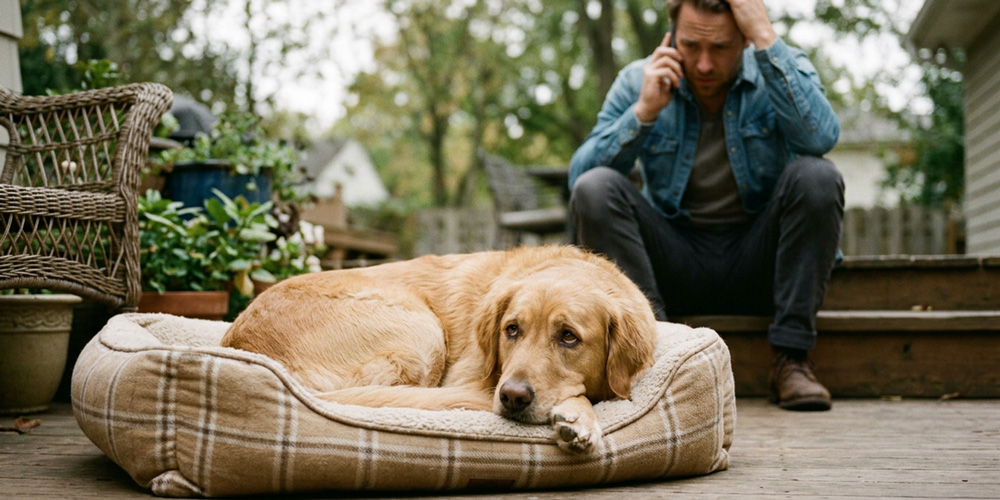
Parvovirus, commonly known as parvo, is one of the most serious infectious diseases that can affect dogs. It is highly contagious, extremely resilient in the environment and can be fatal if treatment is not started quickly enough.
Parvo most commonly affects unvaccinated puppies, puppies that have not yet completed their vaccination course and unvaccinated adult dogs. Understanding how the virus spreads and how to prevent it is one of the most important responsibilities of dog ownership.
What Is Parvovirus?
Parvovirus is a highly contagious DNA virus that attacks rapidly dividing cells within a dog's body. Once infection occurs, the virus targets the lymphatic system, bone marrow and intestinal tract, causing severe illness.
Although canine parvovirus is closely related to viruses found in other species, it cannot be transmitted to humans. Human parvoviruses are different and cannot infect dogs. Cats may occasionally become infected with canine parvovirus, but they generally experience only mild symptoms. :contentReference[oaicite:0]{index=0}
How Does Parvo Spread?
Parvovirus is spread through the faeces of infected dogs. When an infected dog sheds the virus, it enters the environment and can be picked up by other dogs through contact with contaminated soil, surfaces or objects.
The virus can also hitch a ride on shoes, clothing, dog fur and paws, making it easy to spread unknowingly.
One of the reasons parvo is so dangerous is its ability to survive in the environment for extended periods. The virus can remain active in soil for many months and, in some situations, up to a year. Because of this resilience, dogs do not need direct contact with an infected dog to become infected themselves. :contentReference[oaicite:1]{index=1}
Symptoms of Parvovirus
The symptoms of parvo can develop rapidly and become severe within a short period of time. Early signs often appear three to seven days after exposure.
Common early symptoms include:
• Lethargy
• Loss of appetite
• Fever
As the disease progresses, symptoms may include:
• Severe vomiting
• Diarrhoea, often containing blood
• Dehydration
• Weakness
In advanced cases, dogs may experience collapse, hypothermia and an elevated heart rate. If you suspect your dog may have been exposed to parvovirus, contact your veterinarian immediately. :contentReference[oaicite:2]{index=2}
Why Is Parvo So Dangerous?
Parvovirus damages the lining of the intestines, making it difficult for affected dogs to absorb nutrients and fluids. At the same time, it suppresses the immune system by attacking the bone marrow, reducing the body's ability to fight infection.
This combination leaves dogs vulnerable to severe dehydration, shock and secondary infections, which is why the disease can become life-threatening so quickly. :contentReference[oaicite:3]{index=3}
How Is Parvo Treated?
Unfortunately, there is currently no cure for parvovirus. Treatment focuses on supportive care while the dog's immune system works to fight the infection.
Treatment may include:
• Hospitalisation and monitoring
• Intravenous fluids to prevent dehydration
• Anti-nausea medications
• Nutritional support
• Pain relief
• Antibiotics to prevent secondary infections
• Blood or plasma transfusions in severe cases
The first 24 to 72 hours after symptoms appear are often the most critical. With prompt veterinary treatment and supportive care, survival rates can reach approximately 75% to 80%. :contentReference[oaicite:4]{index=4}
Vaccination Is the Best Protection
Vaccination remains the most effective way to protect dogs against parvovirus. Puppies require a series of vaccinations before they are fully protected.
A typical vaccination schedule includes:
• 6 to 8 weeks of age
• 10 to 12 weeks of age
• 14 to 16 weeks of age
• A booster one year later
• Ongoing vaccinations as recommended by your veterinarian
Puppies are generally considered protected approximately two weeks after their final puppy vaccination. Until then, exposure to public areas and unknown dogs should be limited. :contentReference[oaicite:5]{index=5}
Additional Ways to Reduce Risk
In addition to vaccination, there are several practical steps that can help reduce the risk of parvovirus spreading:
• Pick up and dispose of dog waste promptly
• Wash bedding, bowls and toys regularly
• Avoid public dog areas until puppies are fully vaccinated
• Limit contact with unknown dogs during the vaccination period
If a dog has recovered from parvo, they may continue shedding the virus in their faeces for up to ten days afterwards, making hygiene especially important. :contentReference[oaicite:6]{index=6}
Are Some Breeds More Susceptible?
While any dog can contract parvovirus, some breeds appear to be more susceptible than others. Breeds commonly associated with a higher risk include:
• Rottweilers
• Doberman Pinschers
• American Staffordshire Terriers
• English Springer Spaniels
• German Shepherds
• Labrador Retrievers
Regardless of breed, vaccination remains the most important protective measure. :contentReference[oaicite:7]{index=7}
Summary
Parvovirus is one of the most serious diseases affecting dogs, particularly young puppies. Because there is no cure, prevention through vaccination is essential. Understanding how the virus spreads, recognising symptoms early and seeking immediate veterinary care can significantly improve a dog's chances of survival.
To support your dog's overall health, browse VetShopAustralia's range of dog products, dog health and wellness products and speak with your veterinarian about maintaining an appropriate vaccination schedule.