

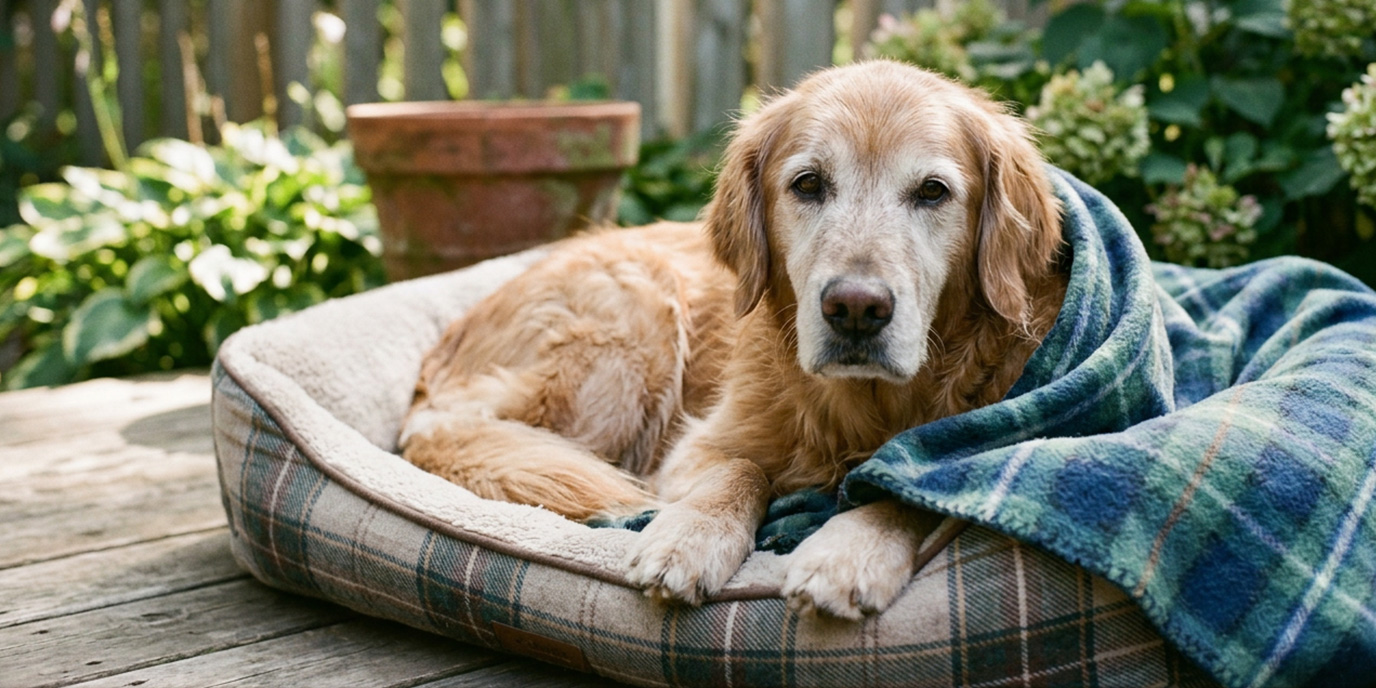
Ageing is a natural part of life for every pet. While growing older is not a disease, cats and dogs experience both physical and mental changes as they age. Understanding these changes can help pet owners provide the support, nutrition and veterinary care their pets need to enjoy a comfortable and happy life throughout their senior years.
Although every pet ages differently, recognising the signs of ageing early can help identify health concerns before they become more serious. Regular veterinary check-ups and an appropriate senior diet can play an important role in supporting your pet's wellbeing. :contentReference[oaicite:1]{index=1}
Understanding the Ageing Process
As pets grow older, they experience both normal age-related changes and an increased risk of certain health conditions. Common age-related changes may include reduced activity, loss of muscle mass, changes in body weight and gradual declines in vision, hearing, smell and taste.
Senior pets are also more likely to develop health conditions such as osteoarthritis, dental disease, heart disease, kidney disease and cognitive changes that may affect behaviour. :contentReference[oaicite:2]{index=2}
When Is a Pet Considered a Senior?
There is no single age at which all pets become seniors. Factors such as species, breed and size all influence the ageing process.
Cats are generally considered mature at around seven years of age, become seniors at approximately eleven years of age and are considered geriatric from around fifteen years onwards. Dogs age differently depending on their size, with larger breeds typically ageing faster than smaller breeds. Some giant breed dogs may be considered mature as early as five years of age. :contentReference[oaicite:3]{index=3} :contentReference[oaicite:4]{index=4}
Signs of Ageing in Cats
Senior cats may experience changes to their senses, appetite, weight and behaviour. They often sleep more, become less active and may gradually lose weight as they enter their later years.
Behavioural changes can include increased vocalisation, anxiety, reduced interaction, altered grooming habits and house soiling. Cats can also experience cognitive decline, which may lead to unusual behaviours. :contentReference[oaicite:5]{index=5}
Health conditions commonly seen in senior cats include osteoarthritis, kidney disease and thyroid disorders. Signs may include reluctance to jump, difficulty grooming or changes in appetite, thirst and body weight. :contentReference[oaicite:6]{index=6}
Signs of Ageing in Dogs
Like cats, senior dogs often become less active and spend more time resting. Changes to hearing, vision, smell and taste can affect their confidence and appetite.
Behavioural changes may include anxiety, irritability, reduced interaction, stiffness and reluctance to exercise. Some dogs may develop canine cognitive dysfunction, a condition similar to dementia, which can cause confusion, altered sleep patterns, vocalisation and house soiling. :contentReference[oaicite:7]{index=7}
Common health concerns in senior dogs include osteoarthritis, dental disease, cognitive decline and cancer. Any unexplained changes in weight, appetite or behaviour should be discussed with your veterinarian. :contentReference[oaicite:8]{index=8}
Why Nutrition Matters More as Pets Age
Nutrition becomes increasingly important as pets enter their senior years. Senior diets are specially formulated to support ageing bodies and help manage some of the changes associated with growing older.
Many senior diets contain highly digestible proteins and specific amino acids to help maintain lean muscle mass while providing appropriate calorie levels to support healthy weight management. :contentReference[oaicite:9]{index=9} :contentReference[oaicite:10]{index=10}
Key Nutrients Found in Senior Diets
Quality senior pet foods are often formulated with ingredients designed to support common age-related concerns.
These may include:
• Highly digestible protein to support muscle maintenance
• Controlled calorie levels to help maintain a healthy weight
• Reduced phosphorus levels to support kidney health
• Antioxidants to support healthy ageing
• Enhanced aroma and flavour to encourage appetite
• Glucosamine and chondroitin for joint support
• Omega-3 fatty acids from fish oil to support mobility and wellbeing
These nutritional adjustments help address many of the challenges senior pets commonly face. :contentReference[oaicite:11]{index=11} :contentReference[oaicite:12]{index=12}
The Importance of Regular Veterinary Check-Ups
Senior pets benefit from more frequent veterinary visits than younger animals. Regular health checks can help identify age-related conditions earlier, often before obvious symptoms develop.
Early diagnosis and management of conditions such as arthritis, kidney disease, dental disease and heart disease can significantly improve quality of life. :contentReference[oaicite:13]{index=13} :contentReference[oaicite:14]{index=14} :contentReference[oaicite:15]{index=15}
Supporting Your Senior Pet at Home
In addition to proper nutrition and veterinary care, there are many ways to support an ageing pet at home. Comfortable bedding, regular low-impact exercise, accessible food and water bowls and maintaining a healthy weight can all contribute to improved quality of life.
You may also wish to explore dog joint health products, cat joint health products, dog supplements and cat supplements as part of your pet's wellness routine.
Summary
Growing older is a natural part of life, but senior pets often need additional support to stay healthy and comfortable. By understanding the signs of ageing, providing appropriate nutrition and scheduling regular veterinary check-ups, you can help your cat or dog enjoy their golden years to the fullest.
If you notice changes in your pet's weight, appetite, mobility or behaviour, speak with your veterinarian. Early intervention and tailored care can make a significant difference to your pet's quality of life.