
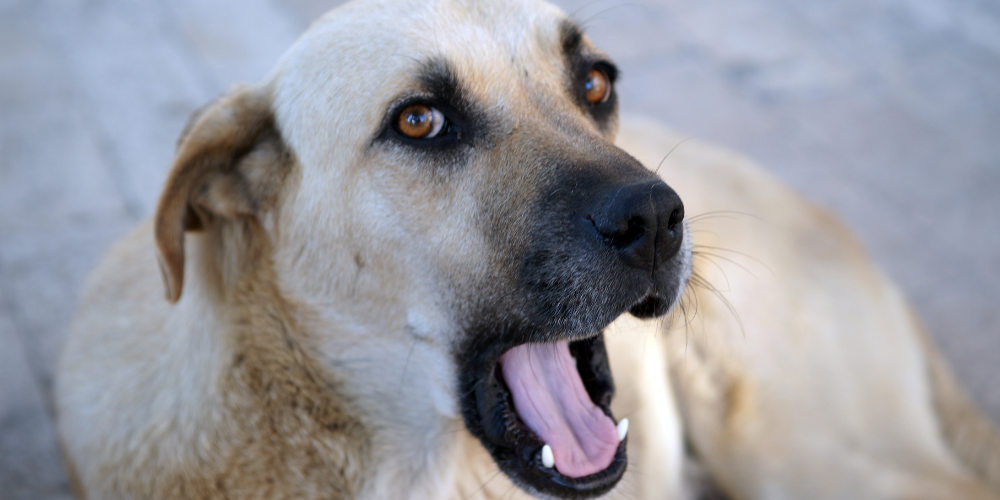
If your dog’s bad breath is making you think twice about those doggy kisses, worry not! This article is here to sniff out the causes of bad breath in dogs and guide you on how to treat it, so you can get back to those sweet smooches with your furry friend.
What Causes Bad Breath?
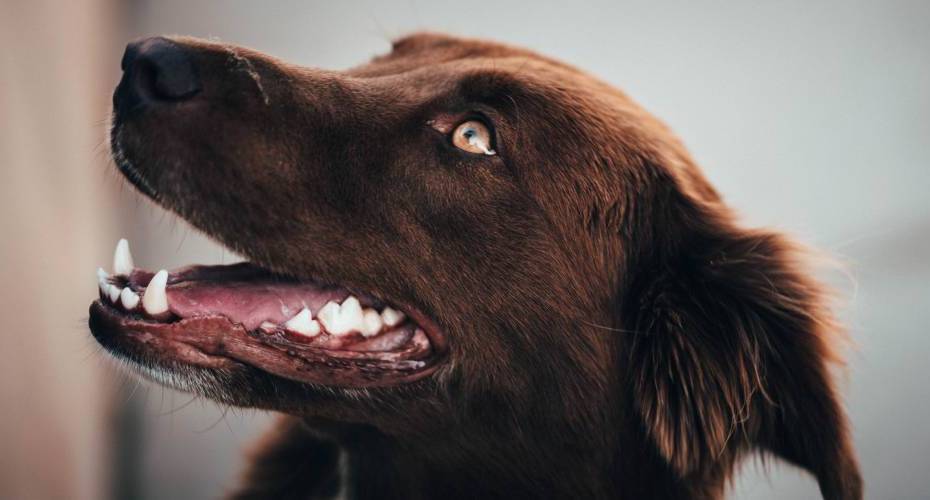
Bad breath in dogs is often due to poor oral hygiene. Did you know that 80% of dogs over the age of 3 suffer from some form of dental disease? That’s a jaw-dropping number! Dental disease, or periodontal disease, is caused by a buildup of plaque on the teeth, leading to inflammation around the gums. Food, saliva, and bacteria create plaque, which, if not removed, hardens into tartar. Besides bad breath, you might notice discoloured teeth, inflamed or bleeding gums, difficulty eating, loose teeth, or excessive drooling in your dog.
Other culprits of bad breath can include a poor diet. And we’re not just talking about bad dog food! Some pups have a penchant for munching on things they shouldn’t, like cat poop, rubbish, or even their own poop (yes, that’s a thing, and it’s called coprophagia). Food allergies can also turn your dog's breath sour.
If your dog's breath has a sweet or fruity odour, it might be a sign of diabetes. The body burns fat, releasing ketones that make the breath smell sweet or like nail polish remover. If your dog's breath smells like urine, it could indicate kidney disease, which can make their breath smell like chemicals or ammonia.
Figured Out the Cause? Now Time to Treat and Prevent It!
Regardless of the cause, bad breath in dogs warrants a visit to the vet to rule out underlying health issues. If dental disease is the culprit, your vet might suggest a professional cleaning under anaesthesia. Afterward, keeping your dog's teeth pearly white is essential to prevent further plaque and tartar buildup.
Brushing your dog's teeth is the gold standard for dental care. If you're new to brushing your dog's teeth, it might be a challenge, especially with older dogs. Specialty toothbrushes and toothpaste are designed to make the task easier and more effective.
Specially formulated food and treats can also help reduce plaque buildup between brushings. Brands like Royal Canin, Advance, and Hill's provide dental foods, while Greenies and Pedigree Dentastix offer effective dental treats.
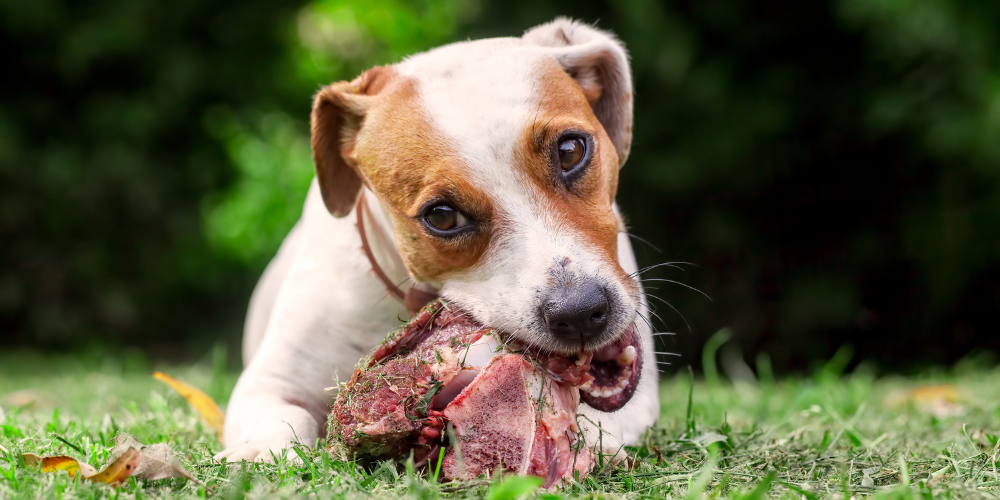
Giving your dog a raw bone is another excellent way to keep their teeth healthy. Never give your dog a cooked bone, as they can splinter and lead to a costly vet visit.
Dental toys and water additives are also useful for preventing plaque buildup. These products can be found in various ranges and designs to suit your dog’s preferences. Discover our collection of dental toys.
If your dog's breath smells sweet, fruity, like urine, or ammonia, a vet visit is a must. Diabetes and kidney disease need professional diagnosis and management.
Preventing Bad Breath: Extra Tips!
If your dog loves to rummage through the rubbish, move the bin out of reach or use a bin that's harder to get into. If your pup has a taste for cat poop, relocate the litter tray to an inaccessible area or use a covered litter tray. A dog that eats its own poop may need a vet visit to rule out medical issues or manage stress and anxiety. Keep those extra waste bags handy for clean-ups.
Keep your pup's breath fresh and those doggy kisses delightful! With proper care and a little help from your vet, you and your dog can enjoy a lifetime of minty-fresh moments. For more details on maintaining your dog’s dental health, visit VetShopAustralia’s Dental Care Section.