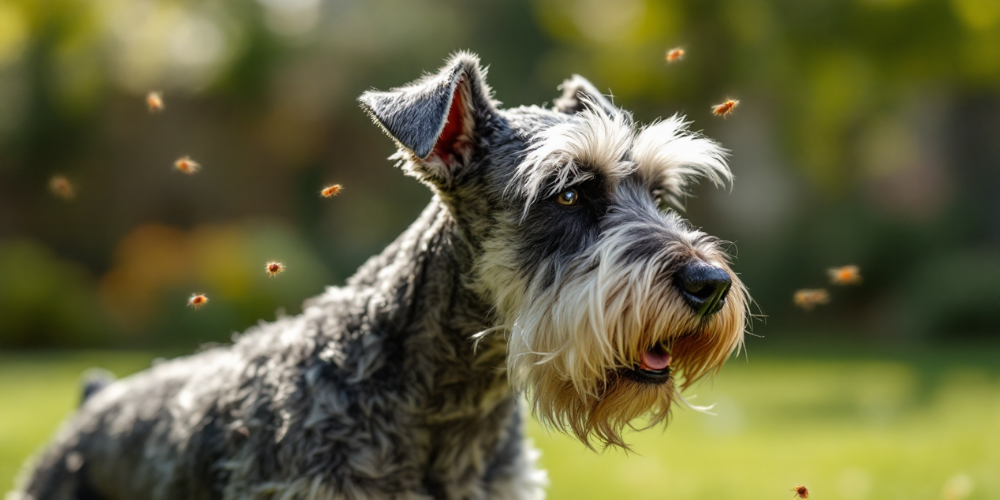

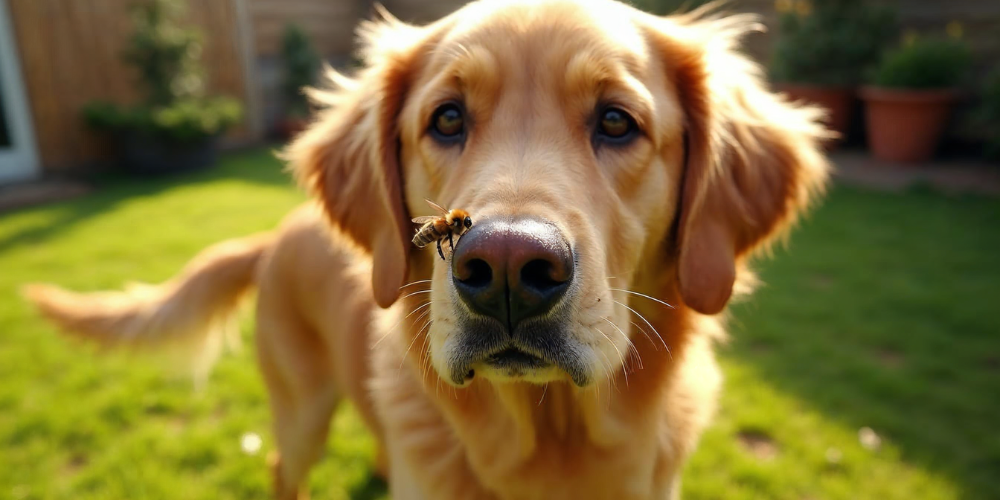
With the weather heating up and the days getting longer, spring and summer mean more time outdoors with our dogs. Blooming flowers and buzzing bees are all part of the season, but for curious pups, that buzz can sometimes end with a painful sting. While most bee stings are a minor inconvenience, they can occasionally cause serious health issues. Knowing how to recognise, treat, and respond to a sting could make all the difference for your dog’s comfort and safety.
Why Dogs Get Stung
Bees aren’t usually aggressive, but dogs often get stung because they step on a bee or try to snap one out of the air. Unlike us, dogs can’t swat insects away, which makes their noses, paws, and mouths especially vulnerable.
Common Symptoms of a Bee Sting
If your dog has been stung, you may notice:
- Sudden yelping or whining
- Licking, chewing, or biting at the sting site
- Localised swelling, redness, or a small bump
- Limping (if stung on a paw)
- Drooling or pawing at the mouth (if stung on the lips or tongue)
Most stings cause mild discomfort that fades within a few hours. But it’s important to watch closely for signs of a more serious reaction.
First Aid for a Dog Bee Sting
If your dog does get stung, staying calm and acting quickly will help:
- Stay calm and move them somewhere quiet – Your dog will pick up on your emotions, so staying calm will help prevent extra stress.
- Check for a stinger – Honeybees often leave behind a small black splinter. Use a credit card or fingernail to gently scrape it out. Avoid using tweezers, as squeezing can release more venom.
- Apply a cold compress – A wrapped ice pack or cool cloth on the sting site (10 minutes on, 10 minutes off) helps with pain and swelling.
- Stop the licking and scratching – Too much fussing can worsen swelling or cause infection. If needed, cover the paw with a clean sock or use an e-collar.
- Monitor closely – Most mild stings settle within 12–24 hours. Keep watch for any changes.
Important: Never give human pain relief such as ibuprofen, aspirin, or paracetamol — these are toxic to dogs. Only give antihistamines or other medication if your vet has recommended them for your pet.
Allergic Reactions and When to Worry
Some dogs, like some people, are allergic to bee stings. In these cases, even a single sting can trigger a dangerous reaction. Seek immediate veterinary care if your dog shows any of the following:
- Excessive swelling, particularly around the face, throat, or muzzle
- Difficulty breathing or wheezing
- Vomiting or diarrhoea
- Collapse or unresponsiveness
An allergic reaction (anaphylaxis) is a medical emergency. Quick treatment from your vet can be life-saving.
Long-Term Health Risks
For most dogs, a single bee sting won’t cause lasting problems. However, repeated stings or a severe allergic reaction can increase the risk of complications. Stings inside the mouth or throat are especially risky as swelling can obstruct breathing.
Preventing Bee Stings
While you can’t completely protect your dog from bees, there are simple ways to lower the risk:
- Avoid letting your dog chase buzzing insects
- Mow lawns regularly and reduce flowering weeds
- Pick up fallen fruit that attracts bees
- Supervise outdoor play in spring and summer
- Teach a strong “leave it” command
- Be extra cautious if your dog has had a bad reaction in the past
When to Call the Vet
If you’re ever unsure, it’s always safest to call your vet. They can give advice over the phone or ask you to bring your dog in. Dogs with known allergies may even need prescribed emergency medication to have on hand.
Final Thoughts
Bee stings are a common and often harmless, part of a dog’s adventurous life. Most cause nothing more than a temporary ouch, but some can be serious. By learning the signs, knowing simple first aid, and involving your vet when needed, you’ll give your furry friend the best chance at a quick recovery. With your help, they’ll be back to wagging tails and sunny day adventures in no time.