
Summer in Australia brings beautiful weather and the arrival of storm season. For some dogs, it’s their first experience with thunder and lightning. For others, it doesn’t matter how many summers they’ve lived through; the fear returns every time.
If your dog struggles through storms, you’re not alone. Storm anxiety is one of the most common phobias in dogs, and there are many ways to help them feel safe and supported.
Why Are Dogs Afraid of Storms?
There’s no single cause behind storm fear, most anxious dogs react to a mix of:
- Loud thunder
- Flashing lightning
- Strong winds or heavy rain
- Sudden changes in air pressure
- Static electricity building in their coat
Some dogs even receive tiny static shocks when they touch metal, reinforcing the fear. Noise-sensitive dogs and herding breeds (like Border Collies and Kelpies) can also be more prone to storm-related stress.
Common Signs of Storm Anxiety
Storm anxiety can look different from dog to dog. Some show mild unease, while others experience overwhelming panic. Signs may include:
- Trembling, shaking or pacing
- Drooling or panting
- Seeking reassurance or clinging to you
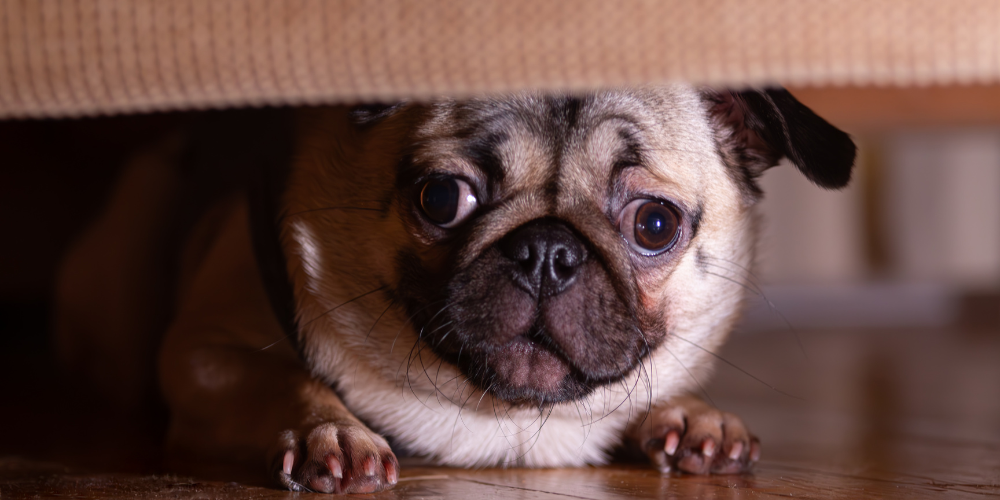
- Hiding under furniture or in tight spaces
- Barking, whining, or howling
- Indoor accidents
- Chewing, scratching, or destructive behaviour
- Attempting to escape the house or yard
If you notice these behaviours during storms, your dog may be dealing with genuine fear, not misbehaviour.
How to Help a Dog With Storm Anxiety
There’s no one-size-fits-all solution, but a combination of comfort, preparation, and training can make a big difference.
1. Be Prepared
Dogs can sense storms long before we do. As soon as your dog shows early signs of anxiety:
- Stay calm and speak softly
- Avoid sudden reactions to thunder
- Stay close if you can your presence is grounding
Your dog will look to you for cues. Remaining relaxed helps them feel safer.
2. Create a Safe Space
A designated “storm-safe zone” can help your dog feel more secure. Try:
- Using a quiet room or corner with minimal windows
- Adding blankets, favourite toys, and bedding
- Playing white noise, calming music, TV, or a fan
- Covering windows or keeping lights on to soften lightning flashes
If your dog finds comfort in a crate, leave the door open so they can come and go freely.
3. Physical Comfort Is Okay
Despite what some old-school advice suggests, you can comfort your dog without reinforcing the fear. An anxious dog isn’t learning they’re reacting.
Try:
- Gentle, slow strokes
- Massaging their neck or shoulders
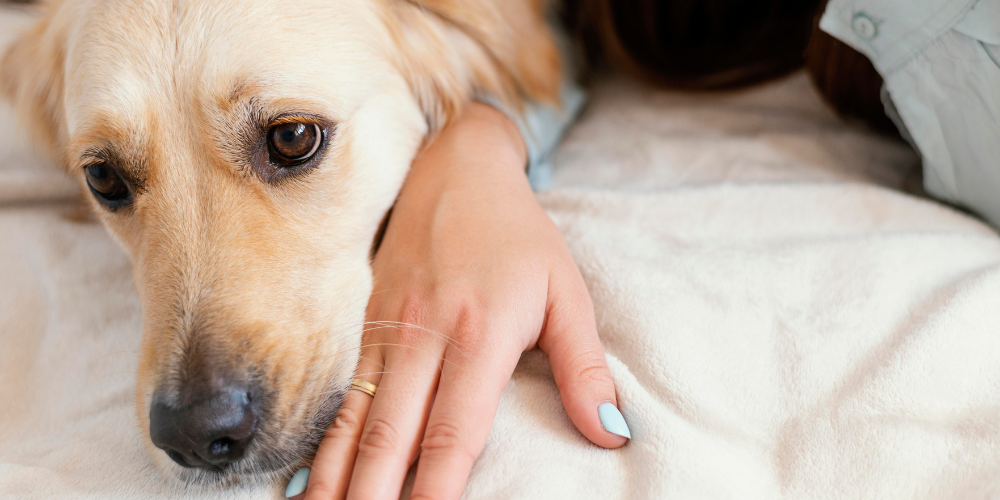
- Wrapping them snugly in a blanket
- Using a Thundershirt or similar calming wrap
Always respond calmly and confidently. Never punish anxious behaviour, it’s an emotional response they can’t control.
4. Helpful Calming Products
Several products can help reduce storm-related stress:
Adaptil (collar, spray, diffuser): releases comforting pheromones
Zylkene: natural milk protein supplement to support calm behaviour
PAW Complete Calm Chews: with tryptophan and B vitamins
Browse our range of calming products
Always check with your veterinarian before starting new supplements, especially if your dog takes medication.
5. Behaviour Training Techniques
With consistency, training can help your dog build confidence around storm sounds.
Counter-Conditioning:
Teach your dog that storms bring good things. Pair thunder with a high-value treat or favourite game that only appears during storms.
Desensitisation:
Play low-volume storm recordings during calm moments. Gradually increase volume as your dog shows calm behaviour, rewarding them throughout.
Relaxation Training:
Teach your dog to settle on a bed or mat on command. During storms, guide them to this “safe spot” and reward calm behaviour.
6. Seek Professional Support
If your dog’s anxiety is severe or escalating, a qualified dog trainer or animal behaviourist can offer personalised strategies and support.
7. Prescription Medication
For some dogs, medication is an essential part of managing storm phobia. Severe anxiety can be dangerous especially if your dog tries to escape or harms themselves. Your veterinarian can advise if short-term or long-term medication is appropriate.
Helping a dog with storm anxiety takes patience, compassion, and consistency. Progress may feel slow, but every small step helps your dog feel safer. With the right combination of comfort, training, and support, storm season can become far less overwhelming for both of you.
If you’d like product recommendations or help building a tailored storm-calm plan for your pup, I’m here to help anytime.