
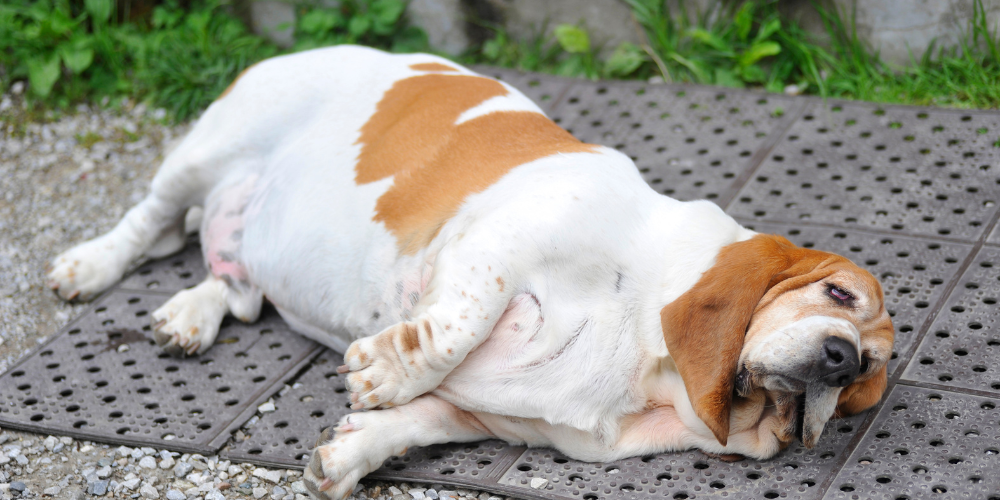
Obesity in pets is a growing issue in Australia, with many dogs and cats facing preventable health challenges due to being overweight. Like humans, pets need a balanced diet and regular exercise to maintain their well-being. Overfeeding and lack of activity are the primary causes of obesity in pets, which can lead to serious health complications and a shorter lifespan.
Pets at Risk: Age, Breed, and Lifestyle
Certain factors, such as breed and age, can contribute to a pet’s weight problems. Older pets, for instance, may be less active due to health issues like arthritis. However, it is our responsibility as pet owners to monitor their diet and encourage regular exercise. Maintaining proper food portions and physical activity is essential to prevent excessive weight gain.
Identifying a Weight Problem
If you’re unsure whether your pet is overweight, ask yourself:
- Can you easily feel your pet’s ribs?
- Does your pet have a visible waist?
- Are table scraps or leftovers a part of their regular diet?
- Does your pet seem reluctant to exercise?
- Does your pet eat as long as there’s food available?
If you answered yes to any of these, consider speaking to a veterinarian about a weight management plan.
The Importance of a Balanced Diet
A balanced diet is critical for maintaining a pet's health. Dogs, as omnivores, and cats, as obligate carnivores, have different nutritional needs, which your vet can guide you through. Overfeeding treats and providing calorie-rich snacks is a common cause of weight gain in pets. Opt for healthy treats and ensure they make up no more than 10% of your pet’s daily calorie intake.
Health Risks of Obesity
Overweight pets are at a higher risk for several serious health issues:
- Shorter lifespan: Overweight dogs live up to ten months less than their ideal-weight counterparts.
- Diabetes: Obesity in pets can lead to insulin resistance, increasing the risk of diabetes, especially in cats.
- Joint and mobility problems: Excess weight places stress on joints, increasing the risk of conditions like osteoarthritis and ligament tears.
- Hypertension: Obesity has been linked to high blood pressure, which affects vital organs like the heart and kidneys.
Why Pets Overeat
There are several factors that contribute to overeating:
- Owner habits: Many pet owners feed their pets incorrectly, offering excessive amounts or the wrong types of food.
- Boredom or stress: Just like humans, pets may eat out of boredom or emotional stress when they aren’t mentally stimulated.
- Hormonal changes: Neutered pets may have slower metabolisms, making weight management more challenging.
- Multi-pet households: Dominant animals in homes with multiple pets may eat more as a way of asserting their dominance.
How Much Should You Feed Your Pet?
The amount of food your pet needs depends on their breed, size, age, and activity level. In general, pets should be fed twice a day, with portion sizes determined by weight and activity. Your veterinarian can offer personalised advice on portion sizes to help your pet maintain a healthy weight.
How to Help Your Pet Lose Weight
To help your pet shed excess weight, a combination of diet and exercise is crucial. Focus on nutrient-rich, portioned meals and increase their activity level with longer walks or more playtime. Avoid high-calorie treats and table scraps, which can easily lead to weight gain.
Final Thoughts
Obesity in pets is a common issue, but it can be managed with proper diet and exercise. If you’re concerned about your pet’s weight, consult your vet to create a plan that includes portion control, treat moderation, and regular physical activity. Keeping your pet at a healthy weight will not only improve their quality of life but also extend their lifespan.