
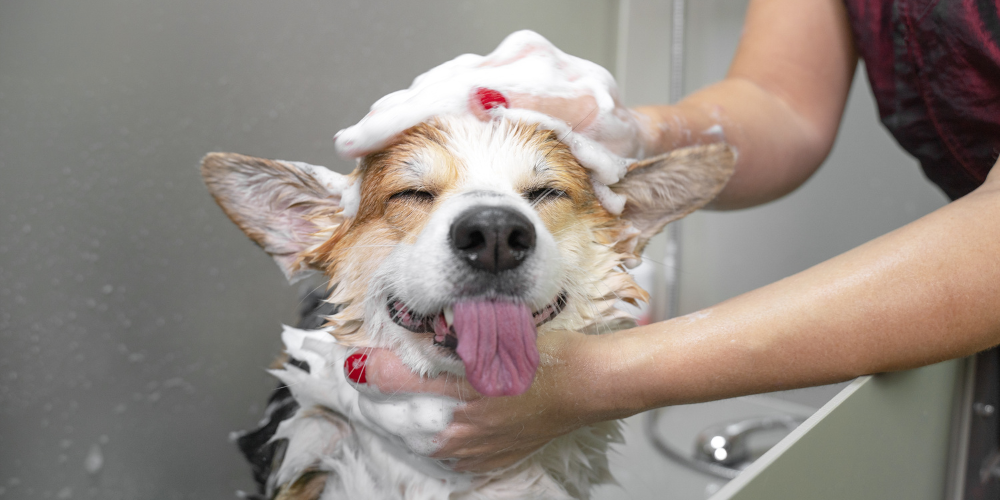
Grooming your dog is an essential part of maintaining their overall health and well-being. While grooming keeps their coat looking tidy and well-cared-for, it also provides many health benefits. Below, we’ll explore the reasons why grooming is important and how to effectively groom your dog.
The Benefits of Grooming
Obvious Benefits
- Tidy Coat: Grooming helps to keep your dog's coat neat and clean by removing knots and tangles.
- Appearance: Regular grooming gives your dog's coat a well-cared-for look.
Less Obvious but Important Benefits
- Dead Hair and Skin Removal: Grooming removes old, damaged hair and dead skin cells, promoting healthier skin.
- Preventing Matts: Regular brushing prevents matting, which can cause discomfort and skin problems.
- Distributes Natural Oils: Grooming helps distribute the natural oils in your dog’s coat, keeping it shiny and healthy.
- Debris Removal: Brushing removes grass seeds, dirt, and other objects that may irritate your dog's skin or cause infections.
- Heat Management: Grooming reduces excess hair, preventing overheating, especially in warm climates.
- Bonding Time: Many dogs enjoy being groomed, making it a great opportunity for bonding and giving them a soft massage.
How to Groom Your Dog
Making Grooming a Pleasant Experience
Start grooming your dog early in their life, if possible, to make them more comfortable with the process. Keep sessions short and reward your dog with treats and praise. Begin by grooming areas your dog enjoys, such as the head, neck, and back, and gradually work your way to more sensitive areas like the belly, feet, and tail.
Tools for Grooming
- Brushes and Combs: Use different brushes and combs depending on your dog’s coat type. Long-haired dogs may require long-bristle brushes, while short-haired dogs may only need soft-bristle brushes or fine-toothed combs.
- Massage Brushes: A soft massage brush or mitt is a great way to start grooming, as many dogs enjoy the sensation.
Brushing Technique
- Brush in the direction of hair growth to avoid pulling or discomfort.
- Use a wider-toothed comb to loosen tangles and then switch to a finer-toothed comb for stubborn knots.
- If your dog becomes stressed, take a break and try again later. For severe tangles or matts, consider using blunt-nosed safety scissors or seek help from a professional groomer or veterinarian.
Checking for Hidden Issues
While grooming, check areas like:
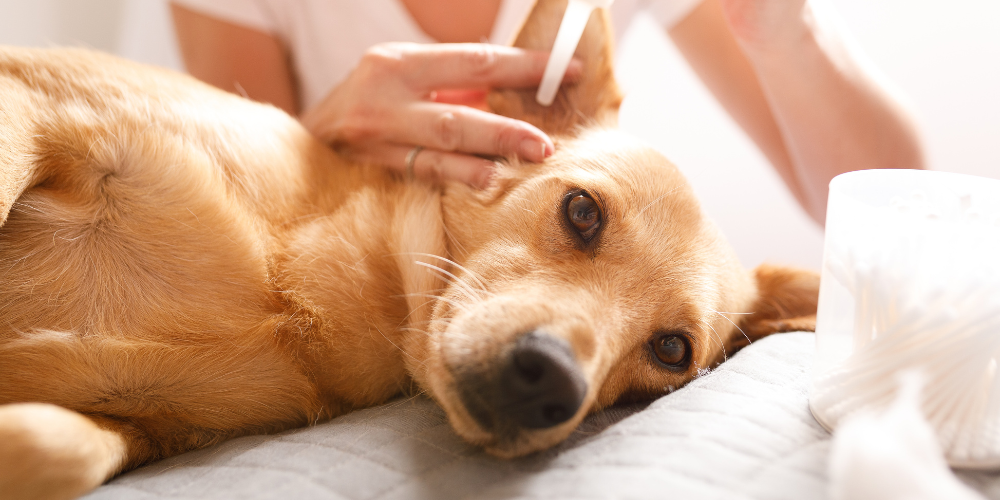
- Ears: Look for wax build-up or signs of infection.
- Paws and Toes: Inspect for debris, grass seeds, and matting.
- Skin: Look for inflamed areas, parasites like fleas or ticks, and any lumps or bumps that may need veterinary attention.
Nail Care
Trimming Your Dog’s Nails
Keep your dog’s nails trimmed to avoid discomfort and potential health issues. Nails should be trimmed before they touch the ground when standing. Don't forget to check and trim the dew claws, as they can curl into the pad and cause injury.
How to Handle Nail Trims
- If your dog is uncomfortable with nail trims, consider training them with treats and positive reinforcement from a young age.
- If trimming at home is too stressful, seek help from a professional groomer or your veterinarian.
Bathing Your Dog
How Often Should You Bathe Your Dog?
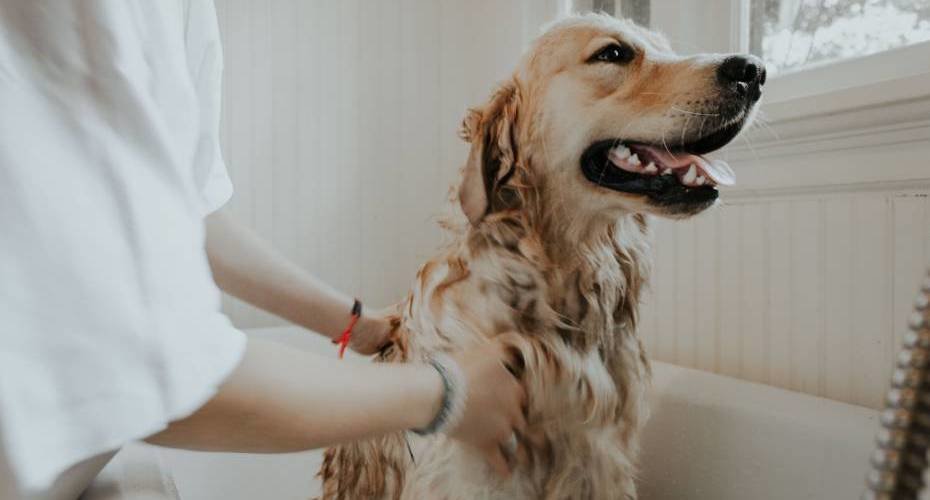
The frequency of baths depends on your dog’s coat type, activity level, and health. Dogs who swim frequently or get dirty will need more frequent baths. Ask your veterinarian for advice on the best bathing routine for your dog.
How to Bathe Your Dog
- Use warm water and a suitable dog shampoo.
- Bathing can be done at home in a bathtub, shower, or outside using a hose in warm weather.
- Always reward your dog for good behaviour during baths to make the experience more enjoyable.
Coat Trimming and Clipping
Dogs with Long or Heavy Coats
Some dogs, particularly long-haired breeds, require regular trimming to prevent matting and keep them comfortable. Hair around the eyes should be trimmed regularly to prevent irritation.
Professional Grooming for Clipping
If you’re not comfortable with trimming or clipping your dog’s coat, it’s best to use a professional groomer. Clipping can be especially beneficial for dogs that do not shed, such as Poodles and Maltese Terriers, and can help prevent overheating.
Grooming Double-Coated Dogs
Special Care for Double-Coated Dogs
Double-coated dogs, like Australian Shepherds and Huskies, require extra grooming to remove the thick undercoat. Regular grooming helps to prevent matting and overheating.
Tools for Double-Coated Dogs
- Undercoat Rakes and Slickers: These tools help remove loose hair from the undercoat.
- Short and Gentle Strokes: Be gentle to avoid scraping the skin, especially in sensitive areas.
- Regular Brushing: Daily brushing is recommended for dogs with double coats to maintain coat health.
Dealing with Dogs Who Don’t Like to Be Groomed
Professional Help for Anxious Dogs
If your dog is anxious or resistant to grooming, consider using a professional groomer. Look for groomers who use positive reinforcement and gentle handling techniques to make the experience stress-free for your pet.