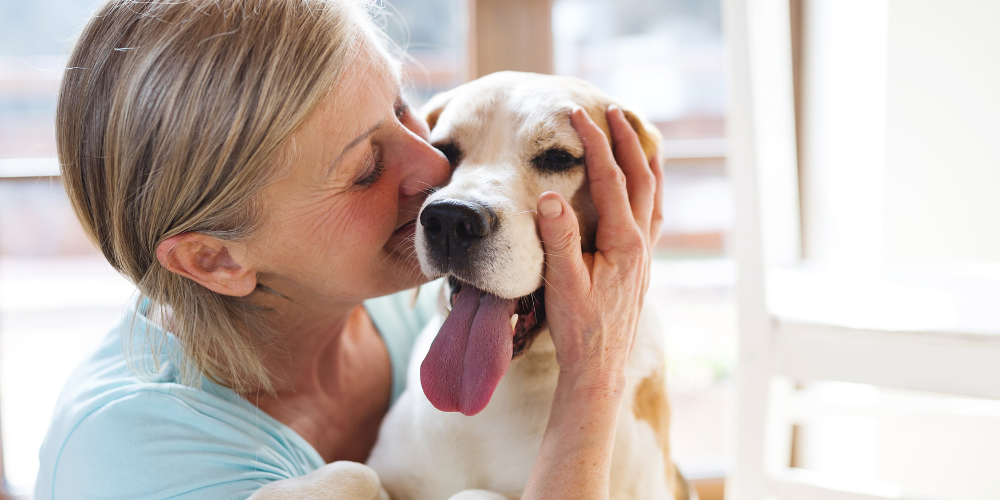


Deciding whether to let your dog sleep in your bed can spark different opinions. Some people love the warmth and companionship of their dog snuggled up beside them, while others believe dogs should have their own designated sleeping spaces. While having your dog in bed can strengthen your bond, it may also pose some challenges. Let's dive into the pros and cons to help you decide if letting your dog share your bed is the right choice for both of you.
The Pros of Sleeping with Your Dog
Allowing your dog to sleep with you can enhance your bond and bring warmth to those chilly nights. Cuddling up with your pup not only provides a sense of security but can also deepen the companionship you share. Many pet parents find it comforting to wake up to a wagging tail and a happy face. For both dogs and their humans, sleeping together can create a sense of closeness and emotional security.
Things to Consider Before Sharing Your Bed with Your Dog
While the bond is undeniable, sharing a bed with your dog isn’t always ideal. Dogs are naturally alert, and they may wake up multiple times during the night due to noises or movement, potentially disrupting your sleep. Additionally, dogs tend to change positions frequently, which can lead to restless nights for pet parents.
Allergies are another important consideration. If you have mild pet allergies, you may be able to tolerate your dog during the day. However, at night, being in close contact with their fur and dander can aggravate symptoms. For some people, this could mean sneezing fits, itchy eyes, or even disrupted breathing, making it uncomfortable to sleep through the night.
For those with back or orthopaedic issues, having your dog in bed might limit your ability to sleep in specific positions, as they tend to sprawl out and take up space. Furthermore, older dogs or those with mobility issues may struggle to get on or off the bed, increasing their risk of injury.
Health Considerations
While rare, certain illnesses can be transmitted between humans and dogs through close contact. For example, ticks can transfer from your dog to your bed sheets, potentially spreading tick-borne illnesses. Regular preventive care and hygiene can help minimise these risks if you choose to share your bed with your dog.
Giving Your Dog Their Own Bed
Even if you decide to let your dog sleep in your bed, it's essential that they have their own comfortable space too. Sometimes, dogs need a break or may feel overheated and cramped. Having a separate dog bed gives them the option to find their own space when they need it. Options range from cosy kennels to orthopaedic beds that can help relieve joint pain. You may even want to set up multiple dog beds in different rooms, so they have options.
Should You Let Your Dog Sleep with You? FAQs
Are Dogs Happier When They Sleep in Your Bed?
Most dogs enjoy being close to their pet parents. However, if it’s uncomfortable for you, your dog will likely pick up on that. Consistency is key—if you decide to enforce a "no bed" rule, your dog will adapt and find comfort in their designated sleeping space.
Does Sleeping with Your Dog Cause Separation Anxiety?
There’s some debate on whether bed-sharing exacerbates separation anxiety. Many veterinarians suggest that if your dog already has separation anxiety, sleeping alone can help them build independence and confidence. This separation can foster a sense of security, making it easier for them to manage alone time.
At What Age Can a Dog Sleep in Bed with You?
Veterinarians generally recommend waiting until your dog is fully mature and has received basic training before letting them sleep in your bed. Allowing a well-trained, older dog to sleep in bed with you can help prevent potential behavioural issues. Aim to wait until your dog is at least a year old before relaxing bedtime boundaries.
In the end, letting your dog sleep in your bed is a personal choice that depends on your lifestyle, health, and your dog’s needs. If you value the closeness and warmth of having your dog by your side, bed-sharing can be a rewarding experience. However, if disrupted sleep, allergies, or health issues are a concern, providing your dog with their own cosy space can be just as comforting for both of you. Whatever you decide, maintaining consistent rules and creating a comfortable environment for your pup is key to ensuring a happy and restful sleep routine.