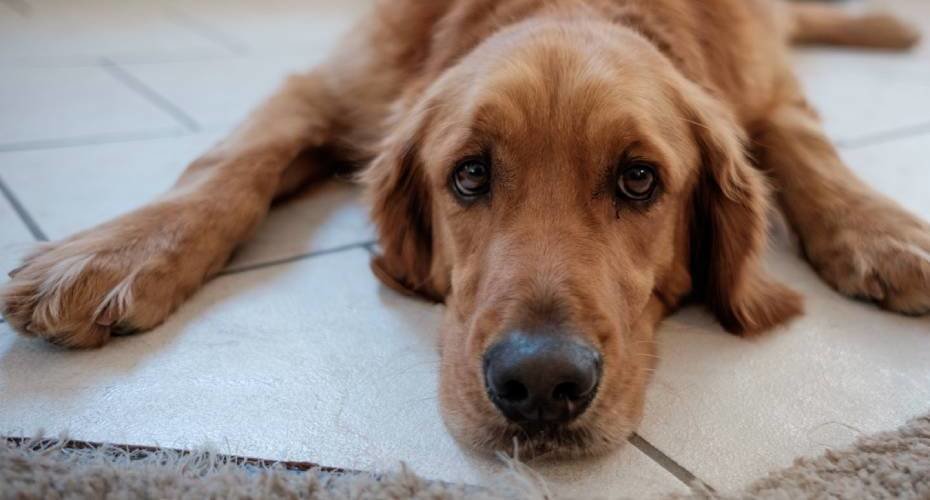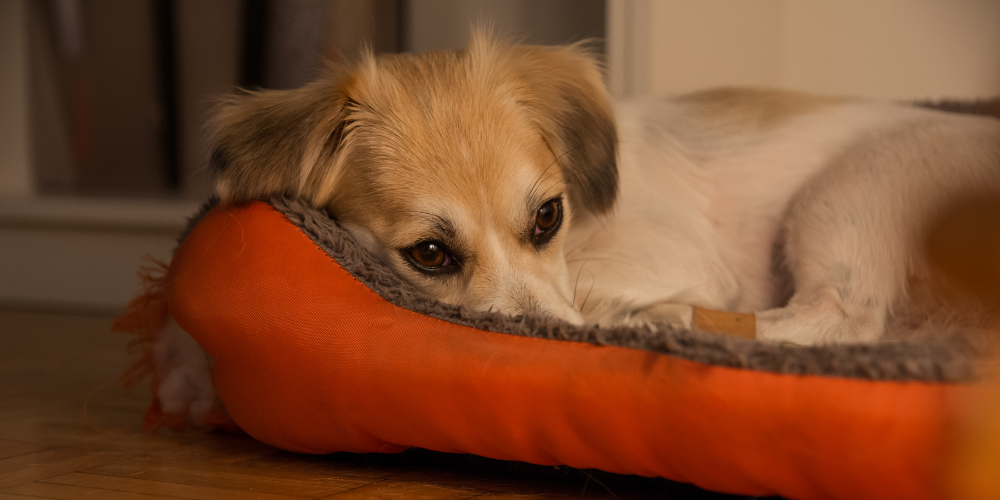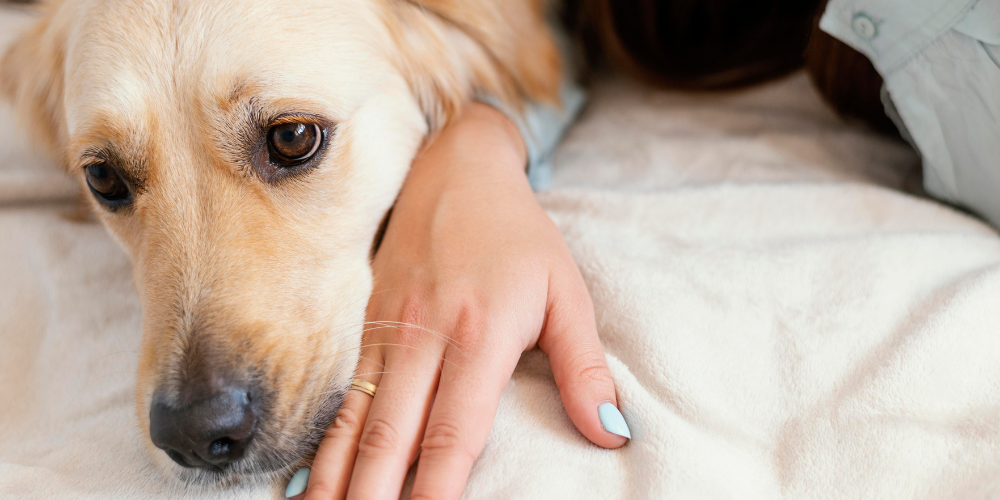

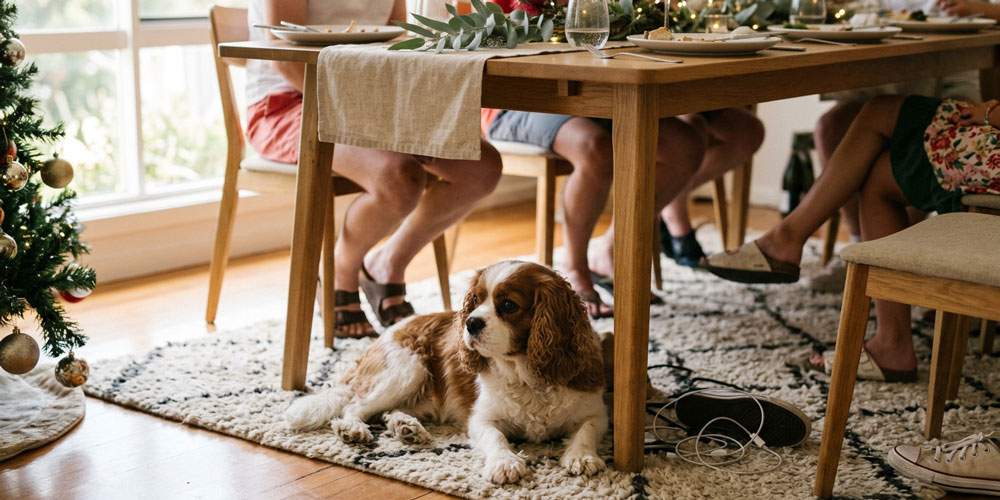
Christmas is supposed to be the most wonderful time of the year. But while we're busy decorating, wrapping presents and preparing for family gatherings, our dogs might be wondering what on earth is going on!
Maybe your normally independent dog suddenly won't leave your side. Perhaps they're barking more than usual, getting overexcited when visitors arrive or disappearing into another room.
Sound familiar?
Dogs notice changes in their environment and routine, and Christmas can bring plenty of them. Here's why your dog might be acting a little differently during the festive season, and what you can do to help.
1. Their Normal Routine Has Gone Out the Window
Dogs often thrive on predictability. They learn when to expect meals, walks, rest and time with their favourite people.
But Christmas can turn that familiar routine upside down.
Suddenly, breakfast is later than usual, the house is busier, walks happen at different times and everyone seems to be coming and going.
Some dogs adapt easily, while others become unsettled when they can't predict what's happening next.
What you can do: Try to keep your dog's meals, walks and bedtime as consistent as possible. Even if your Christmas plans are busy, maintaining a few familiar habits can help them feel more secure.
2. All Those Visitors Can Be Overwhelming
For us, Christmas gatherings mean catching up with family and friends. For our dogs, they can mean a house full of unfamiliar voices, smells, movements and attention.
Even sociable dogs can become overwhelmed when there's too much happening at once.
You might notice your dog barking more, pacing, following you around or avoiding certain rooms. Some dogs may also show subtler signs of discomfort, including lip licking, yawning, turning away or repeatedly moving away from people.
What you can do: Give your dog access to a quiet, comfortable space where they can rest without being disturbed. Let them choose whether to interact with visitors, and remind guests, especially children, not to approach them while they're resting or eating.
3. They Can Pick Up on Your Excitement (and Stress!)
Between last-minute shopping, cooking, cleaning and organising celebrations, Christmas can be a busy time for everyone.
And your dog might notice!
Dogs are sensitive to changes in our behaviour, body language and tone of voice. If you're rushing around the house more than usual, they may become more alert, excited or unsettled themselves.
Some dogs respond by following their owners everywhere, while others struggle to relax when there's constant activity around them.
What you can do: Set aside a little time for calm, familiar activities together. A relaxed walk, gentle play session or quiet time on the couch can help create a sense of normality during a busy day.
4. Christmas Decorations Are a Whole New World
Think about Christmas from your dog's perspective.
One day, the living room looks completely normal. The next, there's a giant tree inside, shiny objects hanging everywhere, unfamiliar smells and possibly a pile of wrapped presents on the floor.
It's no wonder some dogs become curious, excited or a little cautious!
Others may find flashing lights, musical decorations or moving ornaments unsettling.
What you can do: Introduce decorations gradually where possible and supervise your dog around the Christmas tree. Keep electrical cords, fragile ornaments, tinsel and potentially harmful decorations out of reach.
If your dog seems nervous, give them space to investigate at their own pace rather than encouraging them to approach something they're unsure about.
5. They Might Be Getting Less Rest Than Usual
With visitors arriving, children playing and extra activity around the house, dogs can find it harder to settle into their usual sleeping routine.
And just like us, they can become irritable when they're overtired.
A dog who hasn't had enough uninterrupted rest may seem unusually restless, less tolerant of attention or more reactive than normal.
What you can do: Make sure your dog has a comfortable resting area away from the busiest parts of the house. If they retreat there, allow them to sleep undisturbed.
You can also offer a suitable enrichment activity, such as a KONG Wobbler Dog Toy, during quieter periods. Choose activities your dog already enjoys, and supervise them appropriately.
6. The Australian Summer Heat Could Be Playing a Part
Christmas in Australia brings another factor that can affect your dog's behaviour: summer weather!
Hot, humid days can leave dogs feeling less energetic, uncomfortable or reluctant to exercise.
You might notice your dog sleeping more, seeking cooler areas of the house or showing less interest in their usual activities.
While some reduction in activity during hot weather is understandable, excessive panting, drooling, weakness, vomiting, collapse or difficulty breathing can indicate heat-related illness and require urgent veterinary attention.
What you can do: Provide constant access to fresh water, shade and a cool indoor resting area. Schedule walks during cooler parts of the day and avoid hot pavement.
7. They Might Be Feeling a Little Left Out
Christmas often means extra time with family, but it can also mean less one-on-one attention for your dog.
Between preparing meals, entertaining guests and organising activities, your usual play sessions and walks might become shorter or less predictable.
Some dogs respond by becoming clingier, bringing you toys or following you from room to room.
However, sudden clinginess isn't always attention-seeking. It can also be a sign of stress, discomfort or illness, especially if it's unusual for your dog.
What you can do: Include a few familiar activities in your day, even if they're brief. A short sniffing walk, gentle game or quiet cuddle can provide reassurance without adding much to your Christmas schedule.
When Should You Be Concerned About a Behaviour Change?
Not every change in behaviour is caused by Christmas excitement or a disrupted routine.
If your dog suddenly becomes unusually withdrawn, aggressive, lethargic or distressed, it's important not to assume they're simply overwhelmed by the festivities.
Contact your veterinarian if you notice persistent behaviour changes, loss of appetite, vomiting, diarrhoea, signs of pain or anything else that seems out of character.
If your dog is struggling with ongoing anxiety, your vet can also help identify the cause and recommend an appropriate management plan.
Summary
From unfamiliar visitors and disrupted routines to summer heat and overstimulation, Christmas can bring plenty of changes into your dog's world.
While some dogs take the excitement in their stride, others may become clingier, restless, unusually quiet or more sensitive to their surroundings.
The best thing you can do is maintain familiar routines where possible, provide opportunities for uninterrupted rest and pay attention to what your dog is telling you through their behaviour.
After all, Christmas should be enjoyable for every member of the family, including the four-legged ones!