
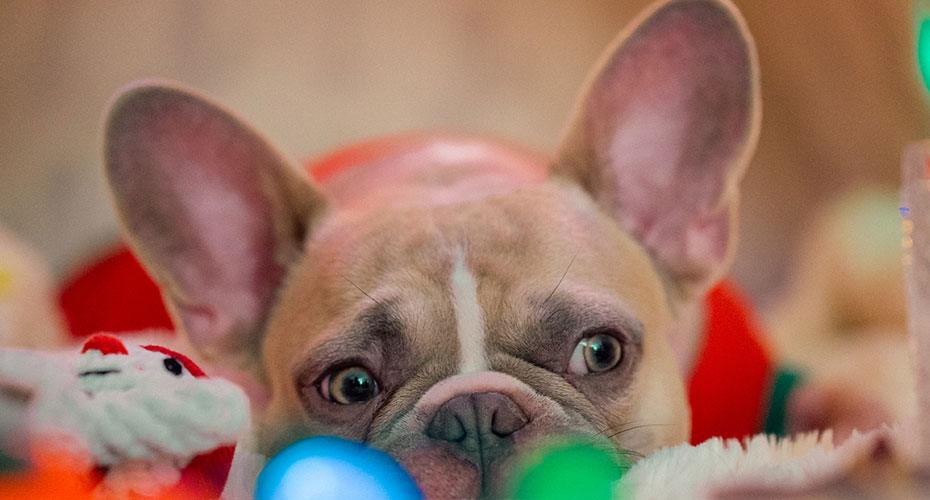
Christmas is a time for sharing love, laughter and delicious food but while it’s tempting to slip your pet a festive treat, not everything on your plate is safe for them. Many common Christmas foods can be dangerous (or even life-threatening) for pets, so knowing what to avoid is key to keeping them happy and healthy this season.
Here’s your simple guide to the Christmas foods you should never feed your pet, plus a few safe alternatives if you’d still like to include them in the celebrations.
Christmas Foods That Are Dangerous for Pets
Some of our favourite festive foods can cause serious health issues for dogs and cats, even in small amounts. These should always stay off your pet’s plate:
Bones, skin & pork crackling
Cooked bones can splinter and cause choking, internal injuries or blockages. Fatty skin and crackling can trigger pancreatitis, which is both painful and dangerous.
Garlic, onion, leek & chives
These ingredients are toxic to pets and can damage red blood cells, potentially leading to anaemia.
Chocolate & caffeine
Chocolate contains theobromine, which pets cannot safely process. Even small amounts can lead to vomiting, seizures, heart issues and, in severe cases, death.
Grapes, raisins, sultanas & currants
These fruits can cause sudden kidney failure in dogs and the exact toxic dose is unpredictable.
Dairy products
Many pets are lactose intolerant. Milk, cream and cheese can lead to stomach upset, diarrhoea and bloating.
Alcohol
Even tiny amounts of alcohol can affect a pet’s nervous system and breathing, making it extremely dangerous.
If you’re ever unsure whether a food is safe it’s always better not to share.

Safe Christmas Treats You Can Share
If you’d still love to include your pet in the festive feast, a few simple, pet-friendly options include:
- Plain, cooked meats such as chicken or turkey
Always remove the bones, skin and excess fat. - Plain vegetables like carrots, peas, potatoes, parsnips, turnip and broccoli
These should only be given in small amounts to dogs. Cats, as obligate carnivores, don’t need vegetables. - Plain cranberry sauce
Only if it contains no artificial sweeteners (especially xylitol).
Just like humans, pets should enjoy treats in moderation. Even safe foods should only ever be a small addition to their regular diet.
Proper Pet Food Is Still the Best Choice
While sharing a little festive cheer is fun, your pet’s main meals should always come from high-quality, balanced pet food designed specifically for their nutritional needs.
Feeding your pet a premium diet helps support healthy digestion, strong immunity, shiny coats and overall wellbeing, especially during busy periods like Christmas when routines change.
If you’re looking to stock up for summer, explore our range of dog and cat food, including trusted brands such as Advance, Hill’s and Royal Canin.
Other Hidden Christmas Dangers for Pets
It’s not only food that can pose a risk during the festive season. Be mindful of these common hazards around your home:
Christmas trees & decorations
Tinsel, fairy lights and baubles are highly tempting for curious pets and can cause choking or internal injuries if swallowed.
Toxic Christmas plants
Poinsettias can cause digestive upset, while holly and mistletoe are toxic to both dogs and cats.
Kitchen hazards
Plastic wrap, aluminium foil, baking paper and toothpicks can all cause serious internal damage if ingested. Always store leftovers securely and keep bins out of reach.
By knowing what to avoid and choosing safe alternatives you can ensure your pet enjoys a happy, healthy and stress-free Christmas alongside the rest of the family.