
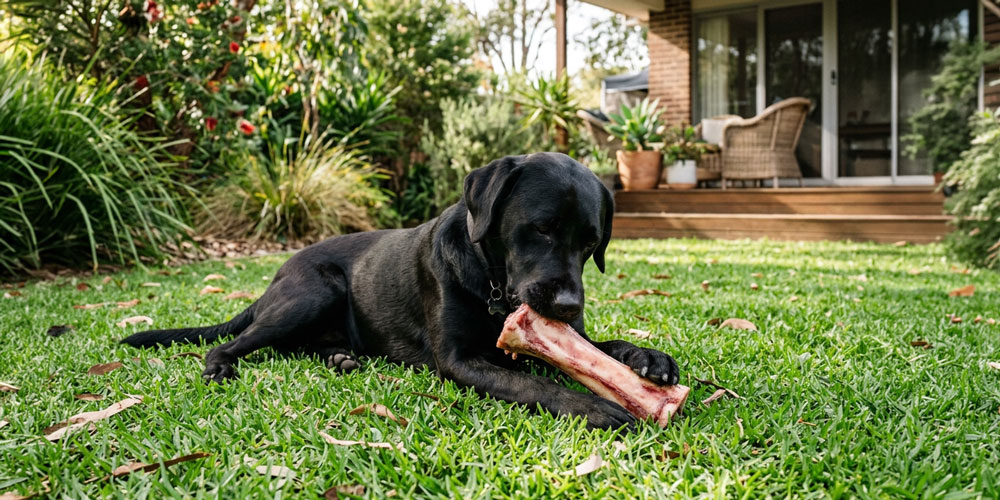
Ask five dog owners whether bones are good for dogs and you'll probably get five different answers.
Some swear by raw bones for keeping teeth clean, while others avoid bones altogether because of the risks. So, who's right?
The truth is that not all bones are created equal. While some can be suitable under the right circumstances, others can cause serious injuries or even become life-threatening.
Here's what every dog owner should know before offering their dog a bone.
Cooked Bones? Always a No
If there's one rule to remember, it's this: never give your dog cooked bones.
Cooking makes bones brittle, meaning they're much more likely to splinter when chewed. Sharp fragments can become lodged in the mouth or throat, damage the stomach or intestines, or even cause life-threatening blockages.
This includes bones left over from roast dinners, barbecue meats and chicken wings.
Raw Bones Can Still Carry Risks
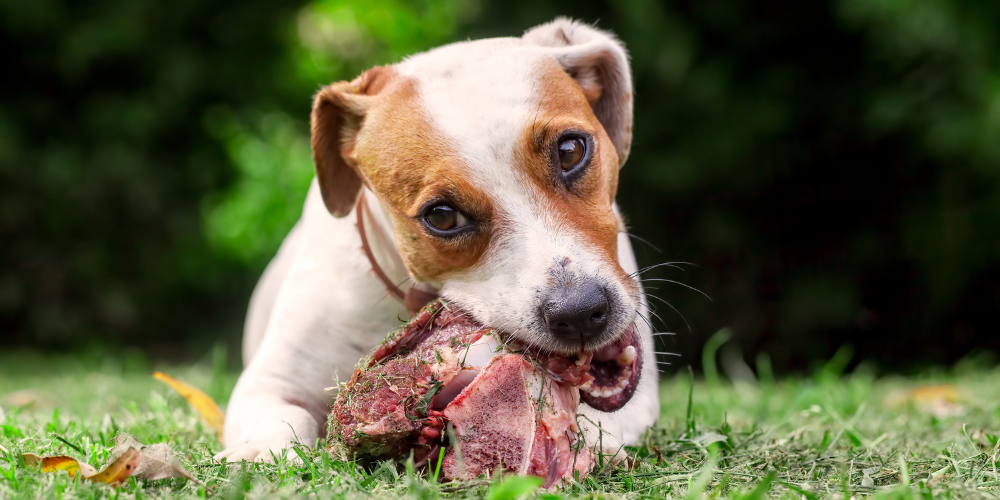
Many owners choose raw bones as an enrichment activity or to help scrape away plaque from the teeth.
While they don't splinter in the same way as cooked bones, they're not risk-free.
Dogs can still crack teeth, choke on pieces that break off or develop digestive problems if they swallow large amounts of bone.
If you choose to feed raw bones, always supervise your dog and speak with your veterinarian about what's appropriate for their size, breed and chewing habits.
Not Every Dog Should Have Bones
Some dogs are enthusiastic chewers, while others try to swallow large pieces without properly chewing.
Dogs that gulp food, have existing dental problems, are senior pets or have previously experienced digestive blockages may not be good candidates for bones.
If you're unsure, your veterinarian can help you decide what's safest for your dog.
Signs Something Isn't Right
If your dog has eaten a bone and later shows any of the following signs, contact your veterinarian as soon as possible:
- Vomiting
- Difficulty swallowing
- Excessive drooling
- Loss of appetite
- Constipation or straining
- Blood in the stool
- Lethargy or signs of pain
Even if your dog seems fine initially, problems can sometimes develop hours or days later.
What About Dental Health?
Many people give bones to help clean their dog's teeth, but chewing isn't the only way to support good oral health.
Veterinarian-recommended dental treats, regular tooth brushing and routine dental checks can all help reduce plaque build-up while lowering the risk of fractured teeth that can occur with very hard bones.
Safer Alternatives to Bones
If you're looking for a way to keep your dog occupied or support their dental health, there are plenty of alternatives available.
- Veterinarian-recommended dental chews
- Durable chew toys designed for your dog's size
- Food enrichment toys
- Interactive puzzle toys
- Regular tooth brushing with pet-safe toothpaste
Choosing the right option depends on your dog's age, chewing style and individual needs.
So... Dog Bones: Yes or No?
There's no simple yes or no answer.
Cooked bones should always be avoided because of the serious risks they pose. Raw bones may be appropriate for some dogs, but they still require careful supervision and aren't suitable for every pet.
If you're unsure what's best for your dog, speak with your veterinarian and choose options that suit your dog's size, age and chewing habits.
Summary
While bones can provide enrichment for some dogs, they also carry risks that every owner should understand. Avoid cooked bones completely, supervise dogs with raw bones and consider safer alternatives such as dental chews and enrichment toys. The safest choice is always the one that's appropriate for your individual dog.