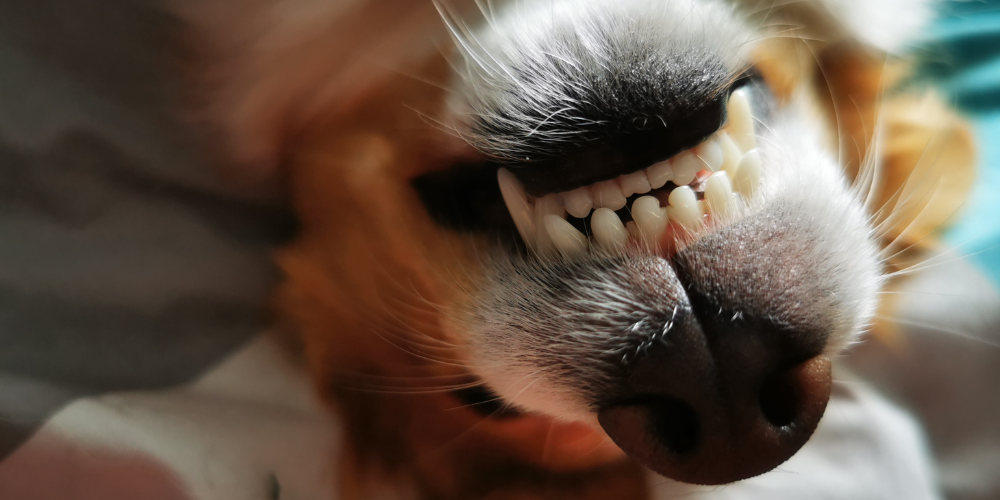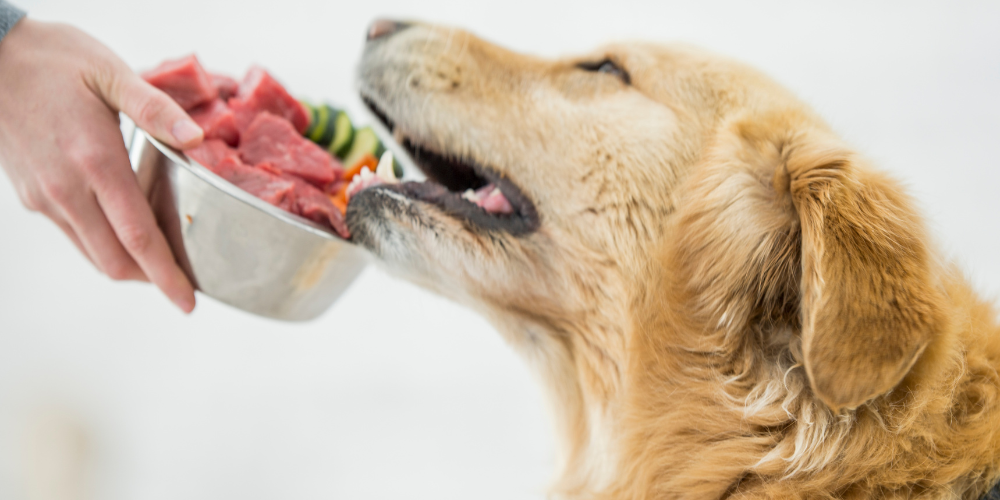


When was the last time you looked inside your pet's mouth?
Many pet owners don't realise that dental disease is one of the most common health conditions affecting dogs and cats. In fact, by the age of three, most pets already show signs of dental disease, even if they're still eating normally.
The tricky part is that pets are incredibly good at hiding discomfort. They may continue eating, playing and acting like themselves while quietly living with sore teeth or inflamed gums.
Here are some of the signs that could indicate it's time for a dental check.
1. Bad Breath That Doesn't Go Away
We've all joked about "dog breath", but persistent bad breath isn't something to ignore.
Strong or foul-smelling breath is often caused by bacteria building up around the teeth and gums. It can be one of the earliest signs of dental disease and is worth discussing with your veterinarian.
2. Yellow or Brown Build-Up on the Teeth
A small amount of plaque can quickly harden into tartar if it's not removed.
If you notice yellow or brown build-up, particularly along the gum line, it may be time for a professional dental assessment before the problem worsens.
3. Eating More Slowly or Dropping Food
If your pet suddenly starts chewing on one side of their mouth, takes longer to finish meals or drops biscuits while eating, sore teeth could be making mealtimes uncomfortable.
Because these changes often happen gradually, they're easy to overlook.
4. Pawing at the Mouth or Rubbing Their Face
Repeatedly pawing at the mouth, rubbing the face along furniture or seeming reluctant to have their head touched can all be subtle signs of oral discomfort.
While these behaviours can have other causes, dental pain is one possibility that shouldn't be ignored.
5. Red, Swollen or Bleeding Gums
Healthy gums should be firm and pink.
If you notice redness, swelling or bleeding around the teeth, it may indicate gingivitis or more advanced dental disease. Early treatment can help prevent further damage.
6. Less Interest in Toys or Chews
Has your dog stopped chewing their favourite toy or dental chew?
Some pets avoid hard toys and treats because chewing has become painful. If their chewing habits have changed, it's worth taking a closer look.
7. They're Acting Normally
This might be the most surprising sign of all.
Many pets with dental disease continue eating, wagging their tails and behaving normally. Dogs and cats naturally hide pain, which is why regular dental checks are so important, even when nothing seems wrong.
How to Help Protect Your Pet's Teeth
While some dental problems require professional treatment, there are simple ways to support your pet's oral health at home.
- Offer veterinarian-recommended dental chews.
- Brush your pet's teeth regularly using pet-safe toothpaste.
- Schedule routine dental checks with your veterinarian.
- Look inside your pet's mouth every couple of weeks so you notice changes early.
- Feed a balanced diet and maintain regular preventative healthcare.
A Healthy Mouth Supports a Healthier Pet
Dental disease isn't just about bad breath. Left untreated, bacteria from the mouth can contribute to other health problems and reduce your pet's quality of life.
Checking your pet's teeth regularly and supporting their dental care at home can make a real difference to their long-term health and comfort.
Summary
Many signs of dental disease develop gradually and are easy to miss. Bad breath, tartar build-up, changes in eating habits, swollen gums and reduced interest in chewing can all indicate it's time for a dental check. By recognising these signs early and maintaining a regular dental care routine, you can help keep your pet healthy for years to come.