
You buy your cat a perfectly good water bowl, fill it with fresh water and place it somewhere convenient.
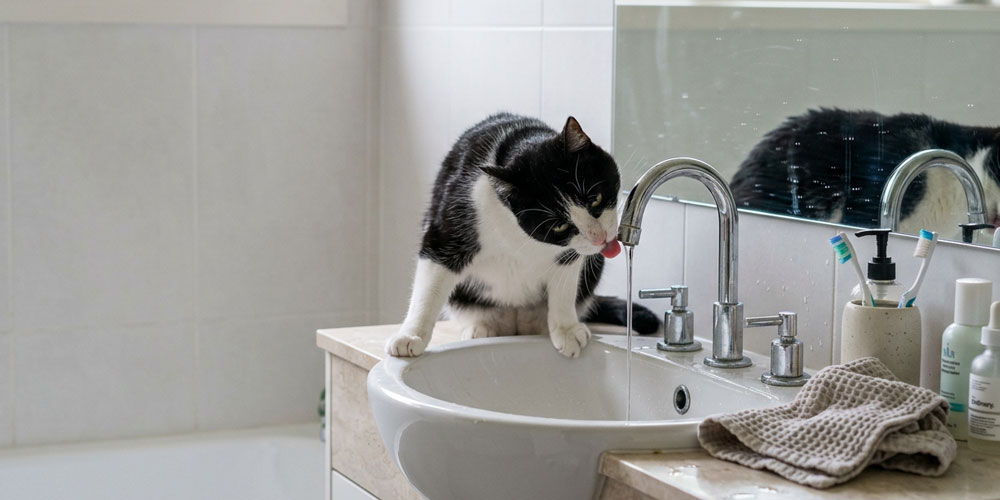
Five minutes later, they're sitting in the bathroom sink, demanding that you turn on the tap.
Sound familiar?
Some cats seem completely uninterested in the water you've thoughtfully provided, yet suddenly become fascinated by a dripping tap, running shower or even the water left at the bottom of the sink.
So, what's so special about tap water? And should you be worried if your cat prefers drinking from the tap instead of their bowl?
The answer has a lot to do with how cats experience the world, and a few surprisingly simple changes might make their regular water bowl much more appealing.
1. Moving Water Is More Interesting
Imagine being a cat. There's a bowl of water sitting quietly in the corner, and then there's a tap producing a fascinating stream of moving water.
Which one would you investigate?
For some cats, movement makes water more noticeable and appealing. The sound of running water, the movement of the stream and the opportunity to investigate it can all attract their attention.
There's a popular theory that cats instinctively prefer moving water because it may be fresher than stagnant water in the wild. While that sounds reasonable, it's not something we can confidently say explains every cat's behaviour.
What we do know is that individual cats have different drinking preferences. Some love running water, while others are perfectly happy with a regular bowl.
If your cat seems especially interested in moving water, a pet drinking fountain may be worth trying. Just remember that a fountain still needs regular cleaning and fresh water.
2. Their Water Bowl Might Be in the Wrong Spot
Here's something many cat owners don't think about: the location of a water bowl can matter just as much as the bowl itself.
Cats often prefer having access to water in quiet, comfortable locations where they don't feel disturbed.
A bowl beside a noisy washing machine, in a busy hallway or directly next to the litter tray might not be particularly inviting.
Some cats also prefer their drinking water to be positioned away from their food.
Try placing a second water bowl somewhere calm and easy to access. You might be surprised by how quickly your cat develops a new favourite drinking spot.
Quick tip: If you have more than one cat, provide several water stations around your home so they don't have to compete for access.
3. The Bowl Itself Could Be the Problem
You've probably noticed that cats can be very particular about seemingly insignificant things.
Their water bowl is no exception.
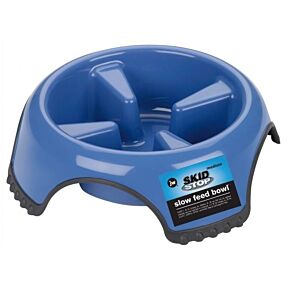
Some cats may dislike narrow or deep bowls, particularly if the shape makes drinking awkward or causes their whiskers to repeatedly brush against the sides.
Whiskers are highly sensitive sensory structures, although the idea that every cat experiences a specific condition called "whisker fatigue" from bowls hasn't been firmly established by research.
Still, if your cat seems uncomfortable using their current bowl, there's no harm in trying a wider, shallower alternative.
Material can also matter. Stainless steel and ceramic bowls are generally practical choices because they're easy to clean when properly maintained.
Explore different cat food and water bowls to find a size and shape that suits your cat's preferences.
4. Tap Water Might Simply Taste Fresher
Be honest. How long has the water been sitting in your cat's bowl?
Even if it looks clean, water can collect dust, fur, food particles and other debris throughout the day.
Some cats may also be sensitive to differences in water temperature, taste or smell.
Meanwhile, the tap offers a fresh stream of water every time you turn it on.
Try emptying, washing and refilling your cat's bowl daily, or more frequently if it becomes dirty. Use fresh drinking water and avoid strongly scented cleaning products that might leave a noticeable residue.
During warmer Australian weather, check bowls regularly to make sure the water hasn't become unpleasantly warm.
Sometimes, the solution really is that simple.
5. Your Cat Might Have Trained You!
This one might make you laugh.
Think about what happens when your cat jumps into the sink.
Do they meow? Stare at you? Tap the faucet with their paw?
And what do you do?
You turn on the water.
Congratulations. Your cat may have successfully trained you to operate their personal drinking fountain.
Cats can learn which behaviours get a response from their owners. If jumping into the sink regularly results in running water, they may repeat the behaviour because it works.
That doesn't mean your cat is being deliberately difficult. They've simply learned an effective way to get something they enjoy.
But Here's the Important Question: Is Your Cat Drinking Enough?
While a preference for tap water can be perfectly normal, your cat's overall hydration matters much more than where they choose to drink.
Cats naturally obtain some of their water through food. This means a cat eating mostly wet food may drink less from a bowl than one eating predominantly dry food.
That's why watching the water bowl alone doesn't always tell you how much fluid your cat is getting.
Adding suitable wet cat food to their feeding routine may help increase moisture intake, provided the diet remains nutritionally balanced and appropriate for their needs.
For cats that need additional hydration support, products such as Pro Plan Veterinary Supplements Hydra Care for Cats may also be useful when recommended by your veterinarian.
However, if your cat suddenly starts drinking significantly more water, seems unusually thirsty or begins urinating more frequently, don't assume they've simply developed a new preference for the tap.
Increased thirst can sometimes be associated with conditions such as kidney disease or diabetes, so noticeable changes should be discussed with your veterinarian.
5 Simple Ways to Encourage Your Cat to Drink More Water
Want to make your cat's regular drinking setup a little more appealing?
- Try a different bowl: Experiment with a wide, shallow stainless steel or ceramic bowl.
- Change the location: Place water in a quiet area away from the litter tray and, if preferred, away from food.
- Offer multiple water stations: Give your cat a choice of convenient drinking spots.
- Keep water fresh: Wash and refill bowls regularly, particularly during warmer weather.
- Consider a water fountain: If your cat loves running water, a suitable pet fountain may encourage them to use their own drinking station.
You don't need to change everything at once. Try one adjustment, watch how your cat responds and build on what works.
And remember, every cat is different. The best drinking setup is one your cat is comfortable using consistently.
Summary
So, why does your cat prefer drinking from the tap instead of their bowl?
It could be the movement of the water, the location of their bowl, the bowl's shape, the freshness of the water or simply a habit they've learned because you keep turning on the tap!
For many cats, it's just another one of their wonderfully particular preferences.
But keeping fresh water accessible and paying attention to changes in drinking habits is an important part of everyday cat care.
And if your cat still insists that the bathroom tap is the only acceptable drinking fountain in the house? Well, at least now you have a few ideas about why.