
Spring means longer days, warmer weather and more time outside with our pets. But while your backyard might look perfectly pet-friendly, the change of season can bring a few risks with it.
Some are obvious. Others can be surprisingly easy to overlook.
A plant you've had in the garden for years, something scattered across the lawn or even a tiny grass seed caught in your dog's coat can potentially cause problems.
Before your pet spends another afternoon exploring the backyard, here are four spring hazards worth knowing about.
1. Some of Your Garden Plants Could Be Toxic
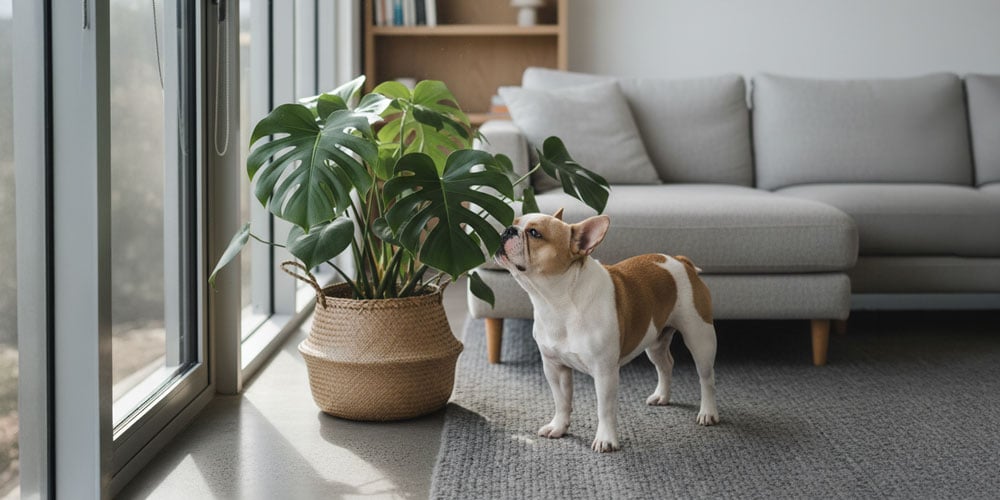
Just because a plant is common doesn't necessarily mean it's safe for pets.
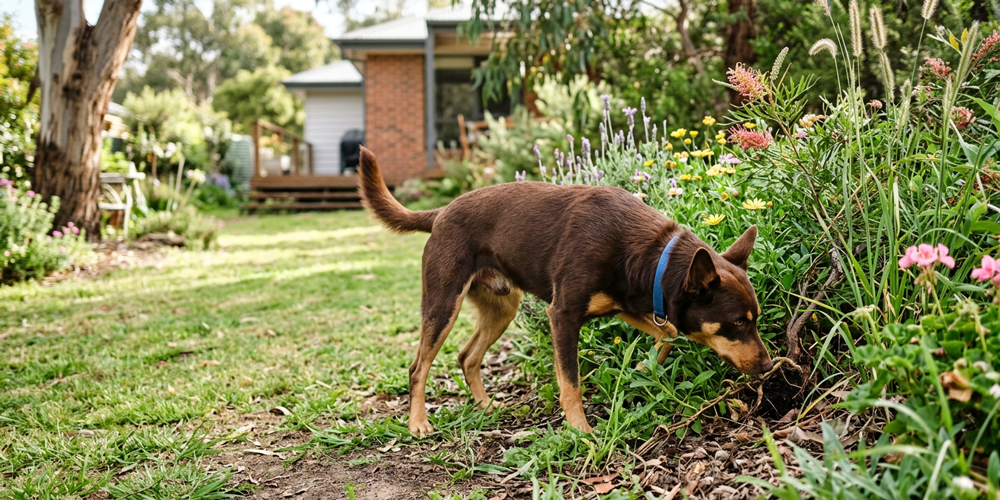
A number of plants found in Australian gardens can be harmful if eaten by dogs or cats. The level of risk varies depending on the plant, the part consumed, the amount eaten and the animal involved.
One particularly important example for cat owners is lilies. Certain true lilies and daylilies can cause severe, potentially fatal kidney injury in cats. Even relatively small exposures can be dangerous, including chewing part of the plant or being exposed to pollen.
Other plants that may pose risks to pets include oleander, cycads (sago palms), azaleas and some bulbs.
The safest approach isn't to panic and remove every plant from your backyard. Instead, identify what's actually growing there.
If you're adding new plants this spring, check whether they're pet-safe before planting them. If your pet likes chewing leaves, digging up bulbs or investigating everything they find, take extra care about what they can access.
If you suspect your pet has eaten a potentially toxic plant, don't wait for symptoms to appear. Contact your veterinarian or an animal poisons service promptly and, if possible, take a photo or sample of the plant for identification.
2. Lawn and Garden Products Aren't Always Pet-Friendly
Spring is also when many of us start paying a little more attention to the garden.
Fertilisers come out. Weeds get treated. Snail and slug activity can increase. Pest-control products appear around sheds, garden beds and patios.
Unfortunately, some of these products can be hazardous to pets if they're eaten, walked through or otherwise exposed to them.
Snail and slug baits are particularly important to keep away from curious pets. Depending on the active ingredient, ingestion can cause serious poisoning. Fertilisers, herbicides and other garden chemicals can also present risks, especially when pets have access to concentrated products or freshly treated areas.
And remember, dogs don't necessarily need to deliberately eat something from the container to be exposed.
They may walk across a recently treated lawn and later lick their paws. A puppy might chew a bag left in the shed. A dog that eats absolutely anything might investigate pellets scattered around the garden.
Always follow the product label carefully, store garden products securely and keep pets away from treated areas for the recommended period.
If you're unsure whether something you've used in the garden is safe around your pet, check the label and seek professional advice rather than assuming that "natural" or commonly available means harmless.
3. That Tiny Grass Seed Can Cause a Big Problem
This is one of those spring hazards that doesn't look particularly threatening.
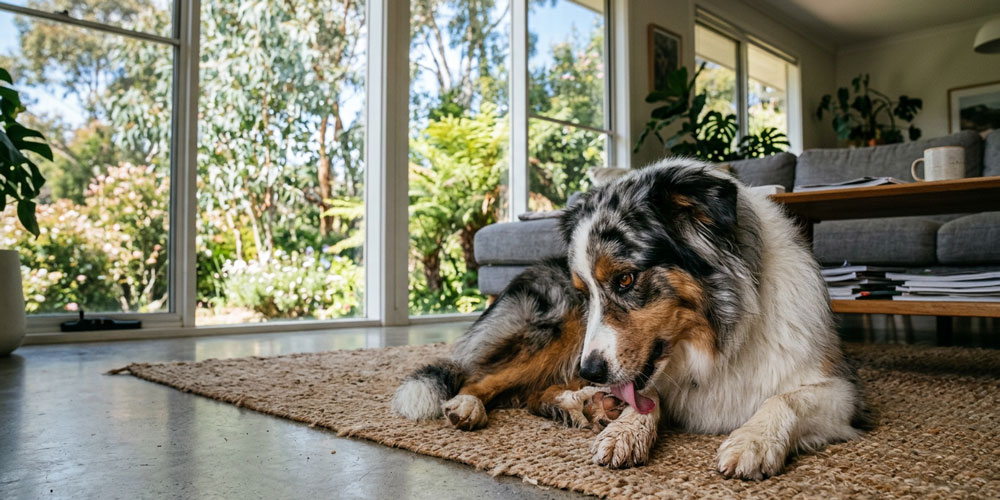
Grass seeds can become caught in a dog's coat and work their way into areas such as the paws, ears, eyes or skin. Their shape can allow them to move further into tissue rather than simply falling back out.
Dogs with longer or thicker coats can be particularly good at collecting them, but any dog exploring long grass may be exposed.
After your dog has been running through grassy areas, make a quick coat check part of your routine.
Pay particular attention to:
- Between the toes and around the paw pads
- Inside and around the ears
- Under the legs and around the armpits
- The chest and belly
- Around the eyes and face
Repeated paw licking, sudden head shaking, swelling, redness or obvious discomfort after being outside can all be reasons to take a closer look.
Regular brushing can also make it easier to find debris before it becomes embedded. Keeping up with your dog's grooming routine during spring is about more than keeping their coat looking good. It's also an opportunity to check what's hiding underneath it.
If a grass seed appears embedded, is in or near the eye or ear, or your pet is uncomfortable, contact your veterinarian rather than trying to dig deeply for it yourself.
4. Fleas and Ticks Can Be Closer Than You Think
Your pet doesn't need to head deep into the bush to encounter parasites.
Backyards, parks, walking tracks and other outdoor environments can all expose pets to fleas and ticks. As the weather warms and pets spend more time outdoors, keeping their parasite protection current becomes particularly important.
Ticks can be especially serious. In Australia, paralysis ticks are found along much of the east coast and can cause potentially life-threatening illness in pets.
Checking your pet regularly is still worthwhile even when they're receiving parasite prevention. Run your fingers through their coat and pay particular attention around the head, neck, ears and other less obvious areas.
For dogs, a broad-spectrum preventative such as NexGard Spectra can help protect against fleas and ticks as well as heartworm and common intestinal worms when used according to the label.
Cats need parasite protection too, but never assume a dog flea or tick product is safe to use on a cat. Some ingredients used in dog products can be highly toxic to cats. Always use a product specifically labelled for your pet's species and weight.
Try This 60-Second Backyard Check
Before letting your pet loose in the backyard this spring, take one minute and look at the space from their perspective.
Look down: Are there pellets, fertiliser, mushrooms, dropped food or chemicals within reach?
Look around: Do you know whether the plants your pet can access are safe?
Look at the grass: Are there long, seeding areas your dog loves charging through?
Look at your pet: Is their parasite protection current?
It doesn't require making your backyard completely risk-free. A quick check can simply help you catch potential problems before your pet does.
What If Your Pet Eats Something in the Backyard?
If you think your pet has eaten a toxic plant, chemical, bait or another potentially dangerous substance, don't wait until they become visibly unwell before seeking advice.
Remove your pet from the area, prevent further access and contact your veterinarian or an appropriate animal poisons service promptly.
Keep the packaging, photograph the plant or substance involved and try to estimate how much your pet may have consumed and when. That information can help professionals determine the appropriate next steps.
Don't induce vomiting or give home remedies unless specifically instructed to do so by a veterinary professional.
Spring Should Still Be Fun
None of this means your dog needs to spend spring staring sadly at the backyard through a window.
Quite the opposite.
More outdoor time means more opportunities to sniff, explore, play and enjoy the warmer weather. A few simple precautions can help make that time safer.
Know what's growing in your garden, keep chemicals and baits securely stored, check your dog after adventures through long grass and stay on top of appropriate parasite prevention.
Then let them get back to the important stuff: investigating every corner of the backyard as though they've never seen it before.
Summary
Spring can bring a few easily overlooked hazards into your pet's backyard. Toxic plants, lawn and garden products, grass seeds and parasites are four risks worth keeping on your radar.
A quick backyard check, regular coat checks and appropriate parasite protection can help reduce your pet's exposure while still letting them enjoy everything the warmer weather has to offer.