
You hear it from across the room. Lick. Lick. Lick.
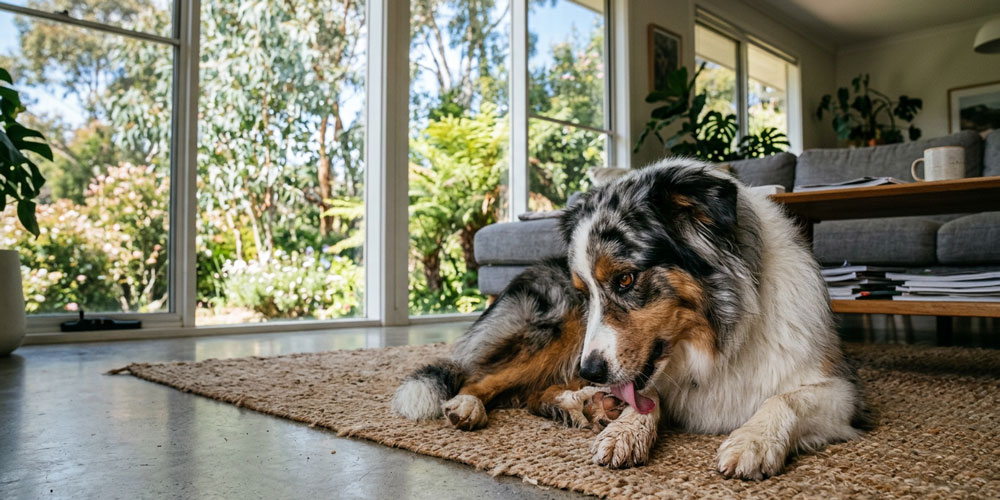
Every dog licks their paws occasionally, whether they're cleaning themselves after a walk or dealing with a momentary itch. But when your dog keeps returning to their paws, chews between their toes or seems completely fixated on one foot, it can be worth taking a closer look.
The tricky part is that paw licking isn't a condition in itself. It's a behaviour that can have many different causes, from something as simple as a grass seed to allergies, parasites or pain.
Here are seven possible reasons your dog won't leave their paws alone, plus what you can look for at home.
1. Something Is Stuck in Their Paw
If the licking started suddenly, begin with the simplest explanation: something may be bothering their foot.
Australian dogs spend plenty of time exploring grass, beaches, bush tracks and backyards, giving small foreign objects plenty of opportunities to become lodged around their paws. Grass seeds, prickles, small stones and other debris can become caught between the toes or around the paw pads.
If your dog is particularly focused on one paw, check it carefully. Look between each toe, around the pads and underneath the paw for redness, swelling, cuts or anything that doesn't belong there.
A deeply embedded grass seed or foreign object isn't something to dig around for at home. If you can't easily identify or remove what's causing the irritation, or the paw is swollen or painful, have your veterinarian take a look.
2. Spring Could Be Making Them Itchy
Does the paw licking seem to become worse at certain times of the year?
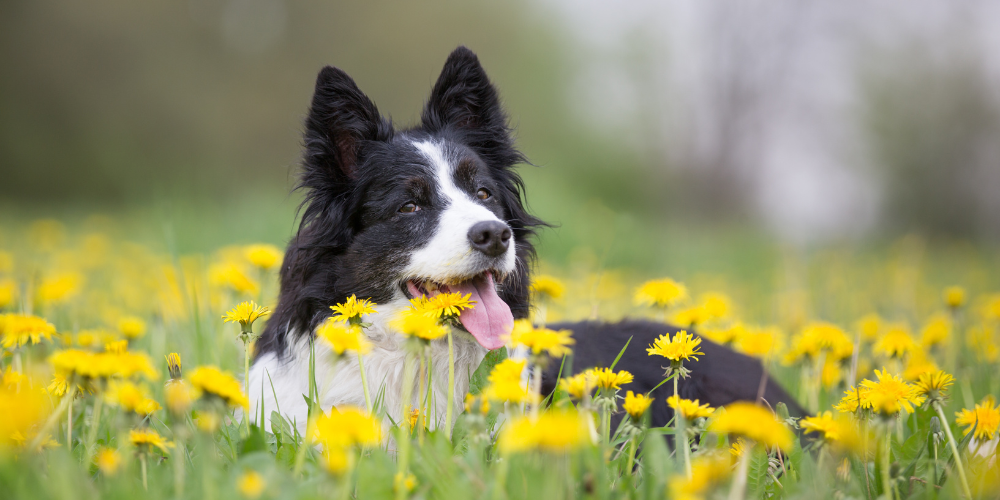
Environmental allergens such as grass and pollen can contribute to itchy skin in susceptible dogs. Because paws regularly come into contact with the ground, licking and chewing the feet can be one sign owners notice. Some dogs may also have itchy ears, irritated skin or increased scratching elsewhere on their body.
Spring can therefore be a particularly noticeable time for dogs prone to environmental sensitivities.
A simple habit that may help is rinsing or wiping your dog's paws after walks to remove dirt and material picked up outside. Regular bathing with an appropriate gentle shampoo can also help keep the skin and coat clean. For dogs with dry or itchy skin, products such as PAW NutriDerm Replenishing Shampoo are formulated to cleanse while supporting skin moisture.
However, persistent itching deserves more than endless paw wiping. Your veterinarian can help determine whether allergies or another skin condition could be involved and recommend an appropriate management plan.
3. Fleas Could Be Part of the Problem
You don't have to see a flea crawling across your dog's coat for parasites to be worth considering.
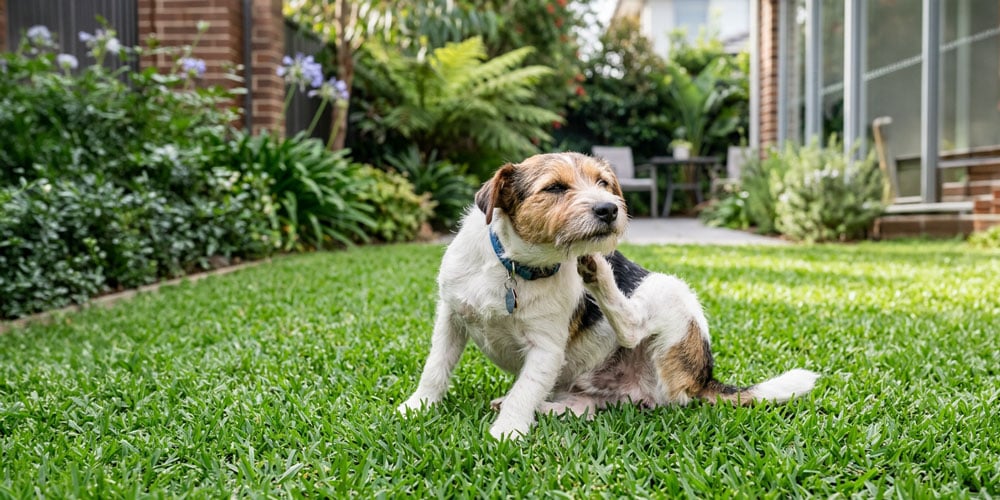
Flea bites can cause itching, and some dogs are particularly sensitive to flea saliva. In these dogs, even limited flea exposure can contribute to significant irritation.
If your dog is licking their paws and scratching elsewhere, check through the coat, particularly around the base of the tail and belly. Look for fleas or small dark specks that could be flea dirt.
Consistent parasite prevention is an important part of reducing flea exposure. A broad-spectrum option such as NexGard Spectra for Dogs provides monthly protection against fleas as well as ticks, heartworm and common intestinal worms.
Don't assume fleas are definitely responsible just because your dog is itchy, though. There are many possible causes of paw licking, which is why ongoing symptoms are worth investigating.
4. Their Skin Is Dry or Irritated
Take a closer look at the skin rather than just the fur.
Redness, flaking, dryness, an unusual smell, hair loss or irritated areas between the toes can all provide useful clues. Dogs can develop skin irritation for many reasons, including environmental exposure, allergies and underlying skin conditions.
There's also an annoying cycle that can develop: something makes the paw itchy, your dog licks it, the licking further irritates the skin, and the irritation makes them want to lick even more.
That's why repeatedly licking the same area shouldn't simply be dismissed as a quirky habit.
For dogs needing general nutritional skin support, skin and coat products can form part of an everyday care routine. But red, inflamed, broken, infected-looking or persistently itchy skin should be assessed by your veterinarian rather than treated by trial and error at home.
5. They May Have Hurt Themselves
Sometimes licking is your dog's way of paying attention to an area that hurts.
A cracked nail, small cut, sore paw pad, insect sting or other minor injury can all make a dog focus on one foot. Pain higher up the leg can sometimes lead to licking too, even when there isn't an obvious problem with the paw itself.
Watch what happens when your dog moves. Are they limping? Hesitating to put weight on the foot? Walking differently? Pulling away when you touch a particular area?
If your dog is suddenly licking one paw repeatedly, particularly alongside limping, swelling or obvious discomfort, it's worth having the cause investigated.
6. It Could Be Boredom or Stress
Not every lick begins with an itch.
Some dogs lick themselves as a self-soothing behaviour, particularly when they're bored, unsettled or lacking stimulation. You might notice it happening at predictable times, such as when they're home alone, settling down at night or after an exciting or stressful event.
Ask yourself what happens before the licking starts.
If your dog has already been checked for physical causes, increasing enrichment may help. Sniffing walks, training sessions, food puzzles, play and opportunities to explore can give their brain something more interesting to do.
Persistent or compulsive licking should still be discussed with your veterinarian. Behavioural and physical causes can overlap, so it's important not to assume a dog is simply bored without ruling out discomfort first.
7. The Licking Itself May Now Be Making Things Worse
This is one owners can easily underestimate.
Even if the original problem was relatively minor, constant licking introduces moisture and repeated friction to the same area. Over time, the skin can become increasingly irritated and uncomfortable, potentially encouraging even more licking.
So if you've been thinking, "They've been doing it for weeks, but they seem fine," the duration itself is a reason to pay attention.
Look for changes such as thinning fur, pink or red skin, staining of lighter fur, moisture, sores, swelling or an unusual smell. These are signs that it's time to stop guessing at the cause and speak with your veterinarian.
One Paw or All Four? It Can Be a Useful Clue
Here's a quick way to think about what you're seeing.
One paw: Look closely for a cut, damaged nail, grass seed, sting, foreign object or localised pain.
Several paws: A broader issue such as environmental irritation, allergies or another skin condition may be worth considering.
Paws plus scratching elsewhere: Check the rest of the skin and coat and make sure parasite prevention is up to date.
Licking at particular times: Pay attention to whether boredom, stress or routine could be playing a role.
These aren't diagnoses, but noticing the pattern can give you useful information to share with your veterinarian.
When Is Paw Licking Too Much?
An occasional lick after a walk isn't usually something to panic about.
What matters is a change in frequency or intensity.
It's worth taking action if your dog is repeatedly chewing or licking their paws, waking up to lick them, creating visible skin changes, limping, concentrating intensely on one foot or simply doing it far more than they used to.
And if you're not sure whether it's excessive? Watch them over a couple of days. Once you actively pay attention, you may realise it's happening much more often than you thought.
Summary
Dogs lick their paws for plenty of reasons, and the occasional lick is completely normal. Frequent or persistent licking, however, can be associated with foreign objects, seasonal allergies, parasites, irritated skin, injury, boredom or an ongoing lick-and-irritation cycle.
Start by looking closely at the paws and thinking about when the behaviour began. Is it one paw or several? Did it start after a walk? Is your dog scratching elsewhere? Has anything changed in their routine?
You don't need to diagnose the problem yourself. You just need to notice when something has changed. If the licking persists, the skin looks irritated or your dog seems uncomfortable, your veterinarian can help work out what's behind it.