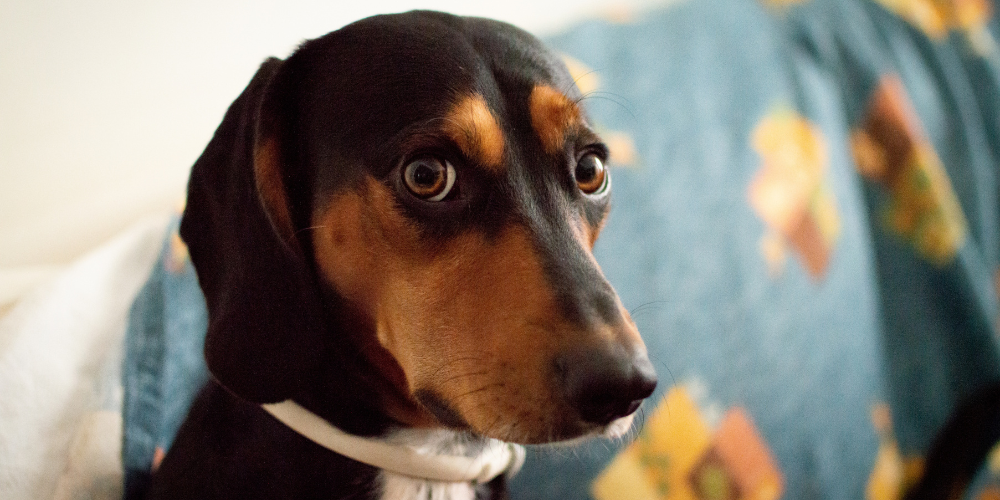

Most of us know what a sick dog looks like when something is obviously wrong. Vomiting, refusing food, limping or extreme lethargy are difficult to miss.
But what about the changes that aren't so obvious?
Dogs can't tell us that something feels different, and some will continue eating, walking, playing and greeting you at the door even when they're uncomfortable. Often, one of the most useful things you can notice isn't a dramatic symptom. It's a change from what's normal for your dog.
Here are some of the quieter changes worth paying attention to, even when your dog otherwise seems perfectly healthy.
1. They're Drinking More Water Than Usual
It's completely normal for the amount your dog drinks to vary. A hot day, extra exercise or a change in diet can all leave them reaching for the water bowl more often.
What matters is a noticeable change that doesn't have an obvious explanation.
If you're suddenly refilling the bowl much more frequently, your dog is seeking out additional water, or they're urinating more often as well, don't simply assume they're extra thirsty.
Persistent increases in thirst can be associated with a range of health conditions, so it's worth discussing the change with your veterinarian.
2. Their Eating Habits Have Changed, Even If They're Still Eating
A dog doesn't need to completely refuse dinner for their eating habits to tell you something.
Maybe they're taking longer to finish meals. Perhaps they're suddenly leaving some food behind, chewing differently, dropping kibble from their mouth or becoming unusually hungry.
These smaller changes can sometimes be overlooked because the dog is technically still eating.
Pay attention to what's normal for your individual dog. A Labrador suddenly becoming uninterested in breakfast may stand out immediately, while a naturally fussy eater might require you to look for a different change.
3. They're Taking a Little Longer to Get Up
It's easy to put slowing down down to age, particularly in senior dogs.
But stiffness after resting, hesitation before jumping into the car, avoiding stairs or taking longer to stand up can all indicate that movement is becoming less comfortable.
Joint and mobility changes can develop gradually, which means owners sometimes adjust to them without realising how much their dog's behaviour has changed.
Supporting a healthy weight, providing appropriate exercise and discussing joint and mobility support with your veterinarian can be particularly important as your dog gets older.
4. Their Breath Has Become Noticeably Worse
"Dog breath" might be a running joke, but persistent or worsening bad breath shouldn't automatically be dismissed as normal.
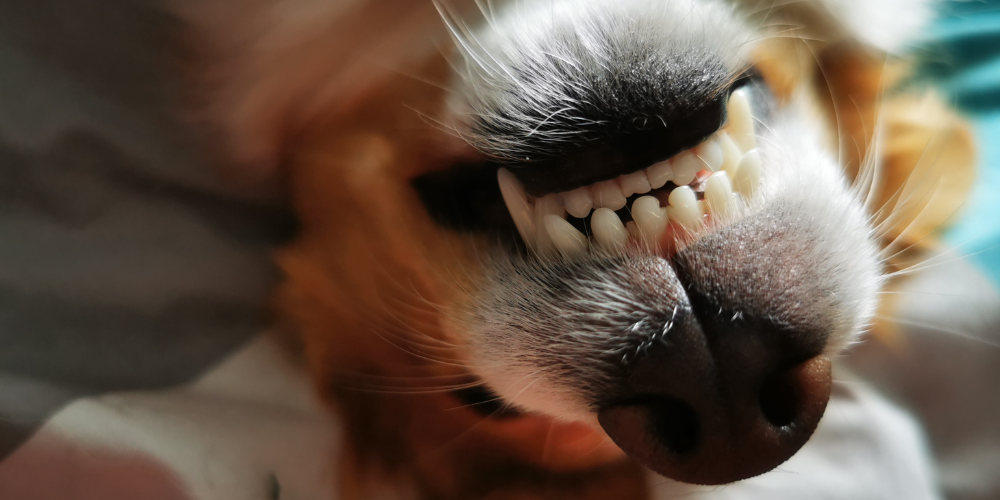
Bad breath can be associated with plaque, tartar and dental disease. Other clues can include red gums, chewing on one side of the mouth, dropping food or becoming less interested in hard treats and toys.
Your dog may still happily eat every meal despite dental discomfort, so regularly checking their teeth and scheduling appropriate veterinary dental checks is important.
5. They're Scratching or Licking More Often
Every dog has an occasional scratch. It's when occasional becomes frequent that it's worth paying attention.
Repeated scratching, paw licking, chewing at the skin, rubbing the face or licking one particular area can be associated with irritation, allergies, parasites or other skin problems.
Part the coat and look at the skin underneath. Redness, hair loss, sores, scabs or changes in the coat can provide another clue that something isn't quite right.
Maintaining appropriate flea and tick prevention is also important, even if you haven't actually seen a parasite on your dog.
6. Their Weight Has Changed Without You Realising
When you see your dog every day, gradual weight gain or loss can be surprisingly difficult to notice.
Rather than relying purely on appearance, regularly look at your dog's body shape and feel around their ribs.
Unexplained weight loss or gain can sometimes be associated with underlying health problems. Carrying excess weight can also place additional strain on joints and affect your dog's overall health.
If you're unsure whether your dog is at an appropriate weight, ask your veterinarian to assess their body condition.
7. They're Sleeping Somewhere Different
This one might sound insignificant, but changes in where your dog chooses to rest can sometimes tell you something.
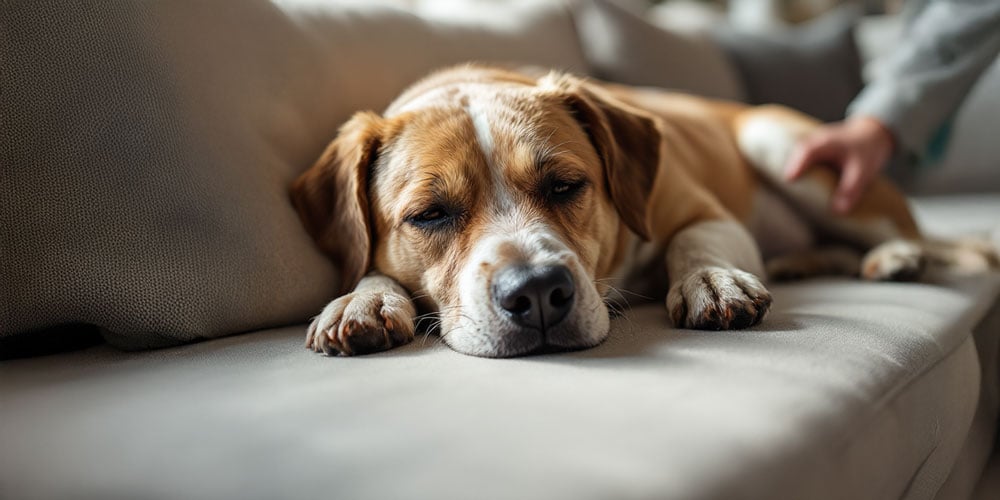
A dog that normally sleeps on the couch but suddenly chooses the floor may simply be looking for somewhere cooler. But a dog that stops climbing onto their favourite bed, avoids stairs or chooses somewhere easier to access could be changing their routine because movement has become uncomfortable.
Likewise, a dog that starts hiding or spending considerably more time alone may be worth watching.
One unusual nap isn't cause for concern. A persistent change in a familiar routine is what matters.
8. They're Just Not Quite Themselves
Sometimes there isn't one symptom you can point to.
Your dog still eats. They still walk. They still wag their tail.
But maybe they're less excited when you pick up the lead. They aren't following you around quite as much. They stop halfway through a game they usually love. Or perhaps they're simply quieter than normal.
Don't underestimate how well you know your own dog.
A consistent change in personality, energy or behaviour can be worth discussing with your veterinarian, even if you can't identify an obvious physical problem.
Look for Changes, Not Perfection
None of these behaviours automatically means your dog is unwell.
A thirsty dog may simply have had a big run. A sleepy dog might have had an unusually exciting day. A senior dog may naturally move differently from a puppy.
The important question is:
Is this normal for my dog?
Knowing your dog's usual appetite, thirst, energy, movement, sleeping habits and behaviour gives you a useful baseline. When something changes and stays changed, you're much more likely to recognise it.
When Should You Contact Your Vet?
If you notice a persistent or unexplained change in your dog's normal behaviour, appetite, thirst, weight or mobility, speak with your veterinarian.
You can make this easier by keeping track of what you've noticed, when it started and whether it's becoming more frequent. Photos or short videos can also be useful for visible changes or unusual movements that might not happen during an appointment.
Sudden or severe symptoms, difficulty breathing, collapse, seizures, severe pain, repeated vomiting, inability to urinate or other signs of an emergency require urgent veterinary attention.
Summary
A dog doesn't have to look obviously sick for something to have changed. Drinking more, eating differently, slowing down, worsening breath, frequent scratching, weight changes and subtle shifts in everyday behaviour can all be worth noticing. Rather than worrying about every little behaviour, learn what's normal for your dog. When something changes and stays changed, you'll be better placed to recognise it and seek veterinary advice when needed.