
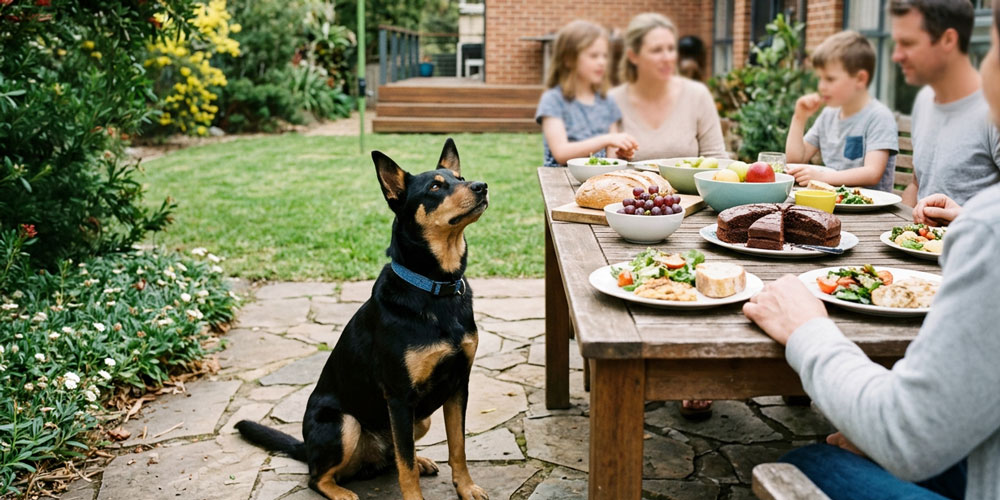
Those puppy-dog eyes can make it very difficult to say no when you're eating something your dog desperately wants to try.
But what's harmless to us isn't always harmless to them. Some everyday foods can cause anything from an upset stomach to a veterinary emergency, and a few of the biggest risks might already be sitting in your kitchen.
So before you slip your dog a bite from your plate, here are five foods every dog owner should know to keep out of reach.
1. Grapes and Raisins
They might look like an innocent little snack, but grapes and raisins can be extremely dangerous for dogs.
Ingestion has been associated with sudden kidney injury, and one of the difficult things about grape toxicity is that there isn't a reliably established safe amount. Some dogs can become seriously unwell after eating relatively small quantities.
Raisins are particularly easy to overlook because they can turn up in everyday foods such as fruit bread, cereal, trail mix, cakes and biscuits.
Signs following ingestion may include vomiting, diarrhoea, lethargy, reduced appetite and changes in thirst or urination.
If you know or suspect your dog has eaten grapes or raisins, contact your veterinarian promptly rather than waiting for symptoms to appear.
2. Chocolate
Most dog owners have heard that chocolate is dangerous, but not all chocolate carries the same level of risk.
Chocolate contains theobromine and caffeine, which dogs process differently from humans. Generally, the darker and more concentrated the chocolate, the greater the amount of theobromine it contains.
That means dark chocolate, cooking chocolate and cocoa powder can pose a particularly significant risk.
Depending on the amount consumed and the dog's size, signs can include vomiting, diarrhoea, restlessness, increased heart rate, tremors and seizures.
Don't try to guess whether the amount your dog ate was safe. Contact your veterinarian and, if possible, have the packaging, type of chocolate, approximate amount eaten and your dog's weight available.
3. Onions, Garlic and Other Allium Foods
This one can be surprisingly easy to miss because your dog doesn't need to eat a whole raw onion for exposure to occur.
Onions, garlic, leeks and chives belong to the Allium family and can be harmful to dogs. They can damage red blood cells and potentially lead to anaemia.
The important part? Cooking doesn't make them safe.
That means the risk isn't limited to obvious pieces of onion. Think leftover pasta sauce, gravy, casseroles, soups, seasoned meat, takeaway meals and foods containing onion or garlic powder.
Signs may include vomiting, weakness, lethargy, pale gums and an increased heart or breathing rate. Some effects may not become obvious immediately.
4. Foods Containing Xylitol
This is one ingredient worth checking labels for.
Xylitol is a sweetener that may be found in some sugar-free chewing gums, mints, baked goods and other products. It is highly toxic to dogs and can cause a rapid release of insulin, resulting in dangerously low blood sugar. Larger exposures can also cause serious liver injury.
Signs can include vomiting, weakness, loss of coordination, collapse and seizures.
If you suspect your dog has consumed a product containing xylitol, treat it as an emergency and contact a veterinarian immediately.
Checking ingredient labels before sharing packaged human foods is a simple habit that can help prevent accidental exposure.
5. Cooked Bones
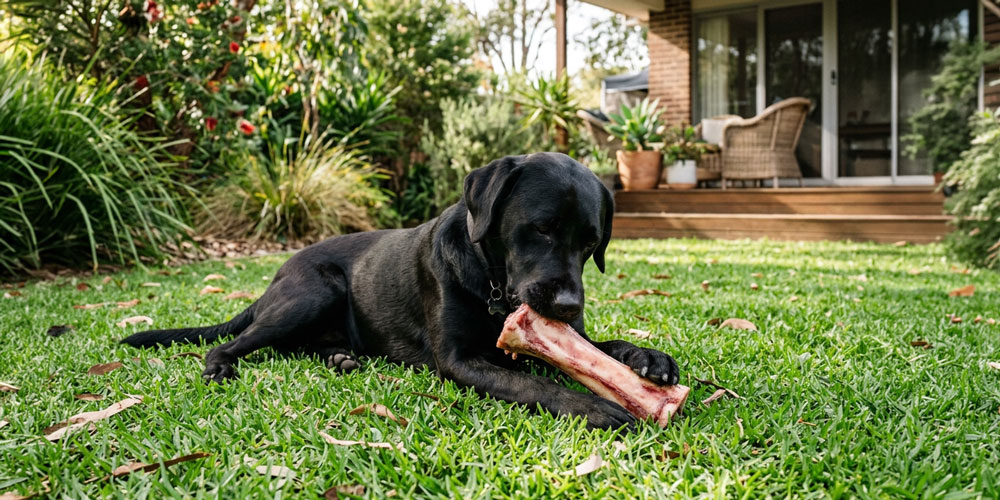
Technically, bones aren't toxic in the same way as chocolate or grapes, but they're still something you shouldn't automatically hand over from your dinner plate.
Cooked bones can become brittle and splinter when chewed. Pieces can cause choking, damage the mouth or digestive tract, or create an intestinal blockage.
Chicken bones and leftovers from roasts and barbecues are common examples.
Rather than handing your dog a cooked bone from your meal, choose a chew or enrichment product specifically designed for dogs and appropriate for their size and chewing style.
What About Fruit and Vegetables?
Here's the good news: not everything from your kitchen is off limits.
Some fruits and vegetables can make occasional treats for many healthy dogs when prepared appropriately and offered in moderation.
Examples can include:
- Carrot
- Blueberries
- Seedless watermelon with the rind removed
- Banana
- Apple with the seeds and core removed
- Plain cooked pumpkin
Even dog-safe foods should only be offered in appropriate portions. Treats and extras shouldn't replace a complete and balanced diet, and dogs with health conditions or special dietary requirements may need different advice.
If you're unsure whether a particular food is suitable for your dog, check with your veterinarian before offering it.
What Should You Do If Your Dog Eats Something They Shouldn't?
Don't wait for your dog to look sick before seeking advice.
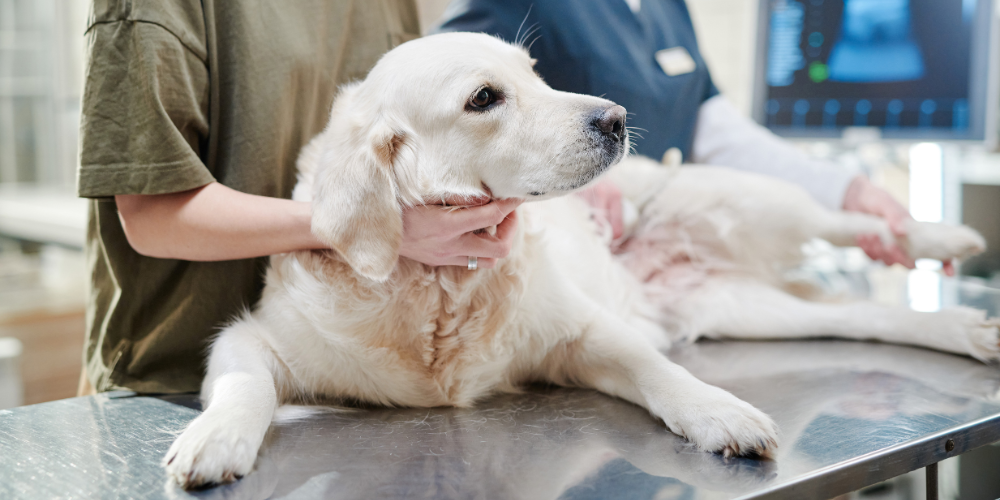
Some toxic foods can cause problems before obvious symptoms appear, and early veterinary treatment can be important.
If your dog has eaten something potentially dangerous:
- Remove any remaining food so they can't eat more.
- Keep the packaging or ingredient list if one is available.
- Work out approximately how much may have been eaten and when.
- Contact your veterinarian or an appropriate animal poison service promptly for advice.
- Don't attempt to make your dog vomit unless specifically instructed by a veterinary professional.
The appropriate response can depend on what was eaten, how much was consumed, your dog's size and their individual health.
The Safest Treat Is One Made for Them
Sharing food can feel like an easy way to include your dog, especially when they're sitting beside you waiting hopefully for a bite.
But they don't know which foods could hurt them. That's our job.
Keeping dangerous foods securely out of reach, checking ingredients and having dog-friendly treats available can make it much easier to resist those pleading eyes.
Summary
Grapes and raisins, chocolate, onions and garlic, foods containing xylitol and cooked bones should all be kept away from dogs. Risks can also hide inside prepared and packaged foods, so checking ingredients matters. If your dog eats something potentially harmful, contact your veterinarian promptly rather than waiting for symptoms to develop.