
Your pet seems happy, they're eating normally and they're still excited when you reach for the lead. Everything must be fine, right?
Hopefully! But dogs and cats can't tell us when something feels different, and some health changes can be surprisingly subtle at first.
That's where a quick at-home health check can help. Spending just five minutes regularly looking over your pet can help you become familiar with what's normal for them, making unusual changes easier to notice.
This isn't a replacement for regular veterinary check-ups or professional advice. Think of it as five minutes to get to know your pet's normal a little better.
Minute 1: Look at Their Eyes, Ears and Nose
Start at the top and take a good look at your pet's face.
Their eyes should generally look bright and clear. Take note of unusual redness, cloudiness, excessive discharge, squinting or changes between one eye and the other.
Next, gently look at their ears. Watch for redness, swelling, unusual discharge, a strong smell or excessive wax. Frequent head shaking or scratching around the ears can also be worth paying attention to.
Don't worry if your dog's nose isn't always cold and wet. A warm or dry nose alone isn't a reliable indicator that they're unwell. Instead, look for unusual discharge, crusting, sores or noticeable changes.
Minute 2: Check Their Teeth and Gums
When was the last time you actually looked inside your pet's mouth?
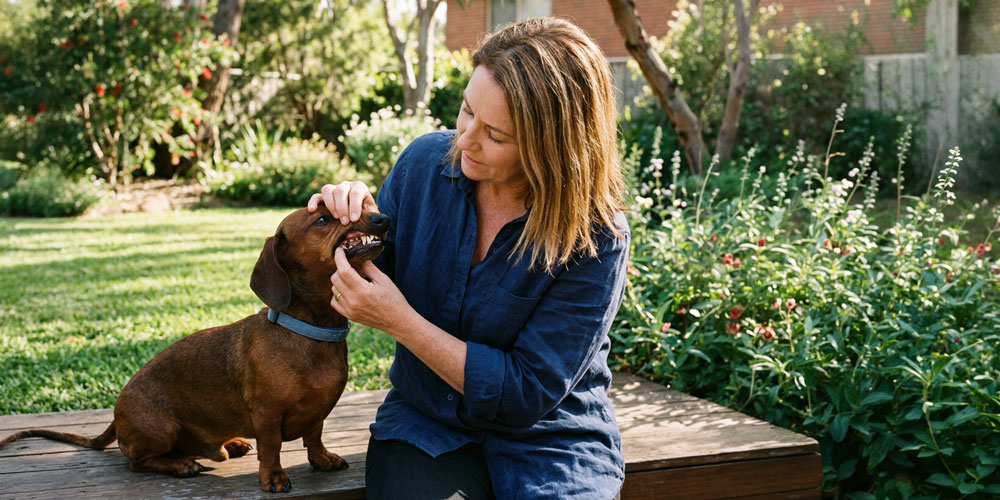
If they'll comfortably allow it, gently lift their lip and check their teeth and gums. Look for:
- Yellow or brown tartar build-up
- Red, swollen or bleeding gums
- Broken or loose teeth
- Unusual lumps or sores
- Persistent bad breath
Don't assume strong "dog breath" or "cat breath" is simply part of pet ownership. Persistent bad breath can be associated with dental problems and is worth discussing with your vet.
At home, regular brushing with pet-safe toothpaste and appropriate dental products can form part of an ongoing dental care routine.
Minute 3: Run Your Hands Over Their Body
This is one of the easiest checks to build into cuddle time.
Slowly run your hands from your pet's neck along their shoulders, back, sides, belly and legs. You're getting familiar with how their body normally feels rather than trying to diagnose anything yourself.
Pay attention to new lumps, bumps, swelling, tender areas or places where your pet suddenly pulls away.
Finding a lump doesn't automatically mean something is seriously wrong. Pets can develop lumps for many reasons. However, new lumps or changes in existing ones should be assessed by your veterinarian.
This is also a good opportunity to think about body condition. Can you feel your pet's ribs without pressing excessively? Has their waist become less defined? Or have they unexpectedly lost weight?
Gradual weight changes can be difficult to notice when you see your pet every day, which is why regularly checking their body condition can be useful.
Minute 4: Part Their Coat and Check Their Skin
A fluffy coat can hide a lot.
Part your pet's fur in a few different places and look closely at the skin underneath. Check around the neck, back, belly and base of the tail.
Keep an eye out for:
- Red or irritated skin
- Scabs or sores
- Unusual hair loss
- Excessive dandruff or flaking
- Fleas, flea dirt or ticks
- Areas your pet has been repeatedly licking or scratching
Even indoor pets can be exposed to parasites, so maintaining appropriate flea, tick and worm prevention remains an important part of routine pet care.
If you're unsure which preventative is suitable for your pet, speak with your veterinarian.
Minute 5: Don't Forget Their Paws
Finally, check all four paws.
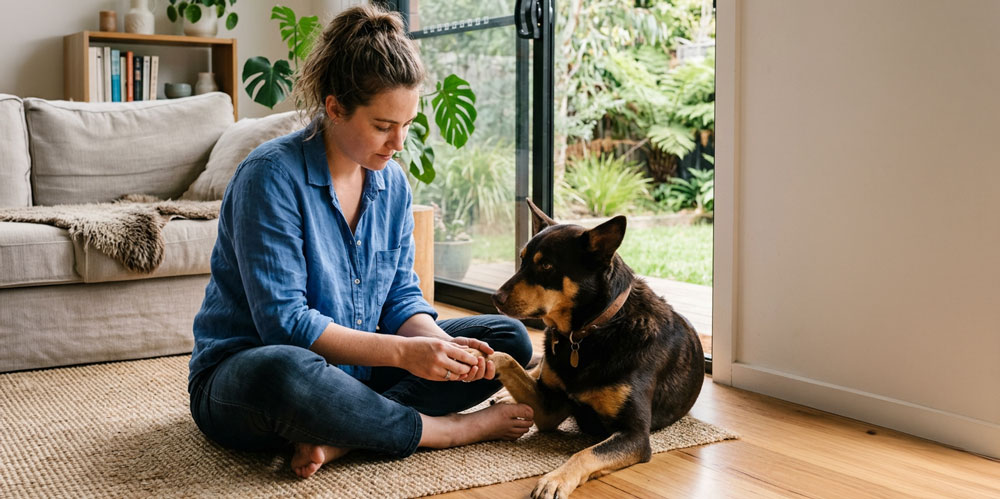
Look between the toes and around the paw pads for cuts, swelling, redness, grass seeds, foreign objects or anything else that looks unusual. Check that the nails aren't excessively long, damaged or splitting.
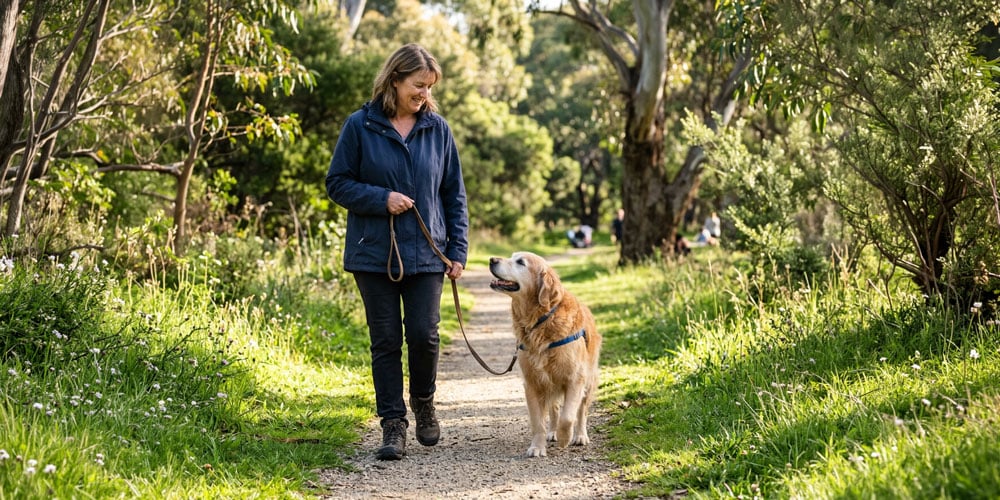
This can be particularly useful after walks, trips to the beach, bush adventures or time spent exploring long grass.
If your pet suddenly starts licking a paw repeatedly, limping or avoiding putting weight on a leg, take a closer look and seek veterinary advice if you're concerned.
Bonus Check: Step Back and Watch Them
Your five-minute physical check is finished, but there's one more thing worth paying attention to every day: behaviour.
You know your pet better than almost anyone.
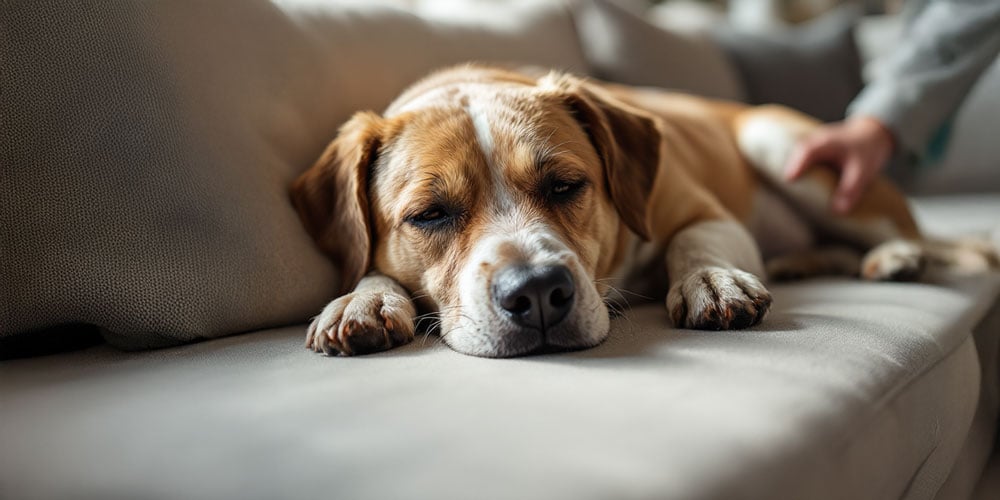
Changes such as drinking more than usual, losing interest in food, sleeping significantly more, becoming reluctant to exercise, hiding, struggling with stairs or simply seeming "not quite themselves" can sometimes be more revealing than anything you can see during a physical check.
Don't dismiss a persistent change simply because there isn't an obvious physical problem.
What Should You Do If You Find Something?
The purpose of an at-home health check isn't to diagnose your pet. It's to help you recognise when something has changed.
If you notice something unusual, make a note of what you've found. Taking a photo can also help you monitor visible changes such as a lump, irritated skin or a sore.
Contact your veterinarian if you're concerned, particularly if the change persists, worsens or your pet shows signs of pain or illness. Sudden or severe symptoms should always be treated more urgently.
Make Your 5-Minute Check a Habit
The real value of this check comes from knowing what's normal for your individual pet.
Try attaching it to something you already do regularly, such as grooming, bath time or a relaxed Sunday cuddle. Over time, you'll become much more familiar with your pet's teeth, skin, body and paws.
Pairing these checks with regular veterinary visits, appropriate parasite prevention, dental care, good nutrition and exercise can help you stay proactive about your pet's health.
Summary
You don't need special equipment to become more familiar with your pet's health. Take five minutes to check their eyes and ears, teeth and gums, body, skin and paws, while keeping an eye on changes in their everyday behaviour. Knowing what's normal for your pet can make it easier to recognise when something has changed and know when it's time to contact your vet.